

We recognize that in the world of structural steel, precision is not just a preference: it is a requirement. Tension Control (TC) bolts, often referred to as twist-off bolts, have become the industry standard for high-strength fastening in bridges, high-rise buildings, and industrial facilities. Their popularity stems from their ability to provide consistent tensioning through a mechanical shear-off spline, which simplifies both installation and inspection.
However, the perceived simplicity of TC bolts can lead to a dangerous level of complacency. Even the most seasoned crews can fall into habits that compromise the structural integrity of a joint. We believe that understanding these common pitfalls is the first step toward ensuring the long-term safety and reliability of your projects.
1. Improper Storage and the Erosion of Factory Lubrication
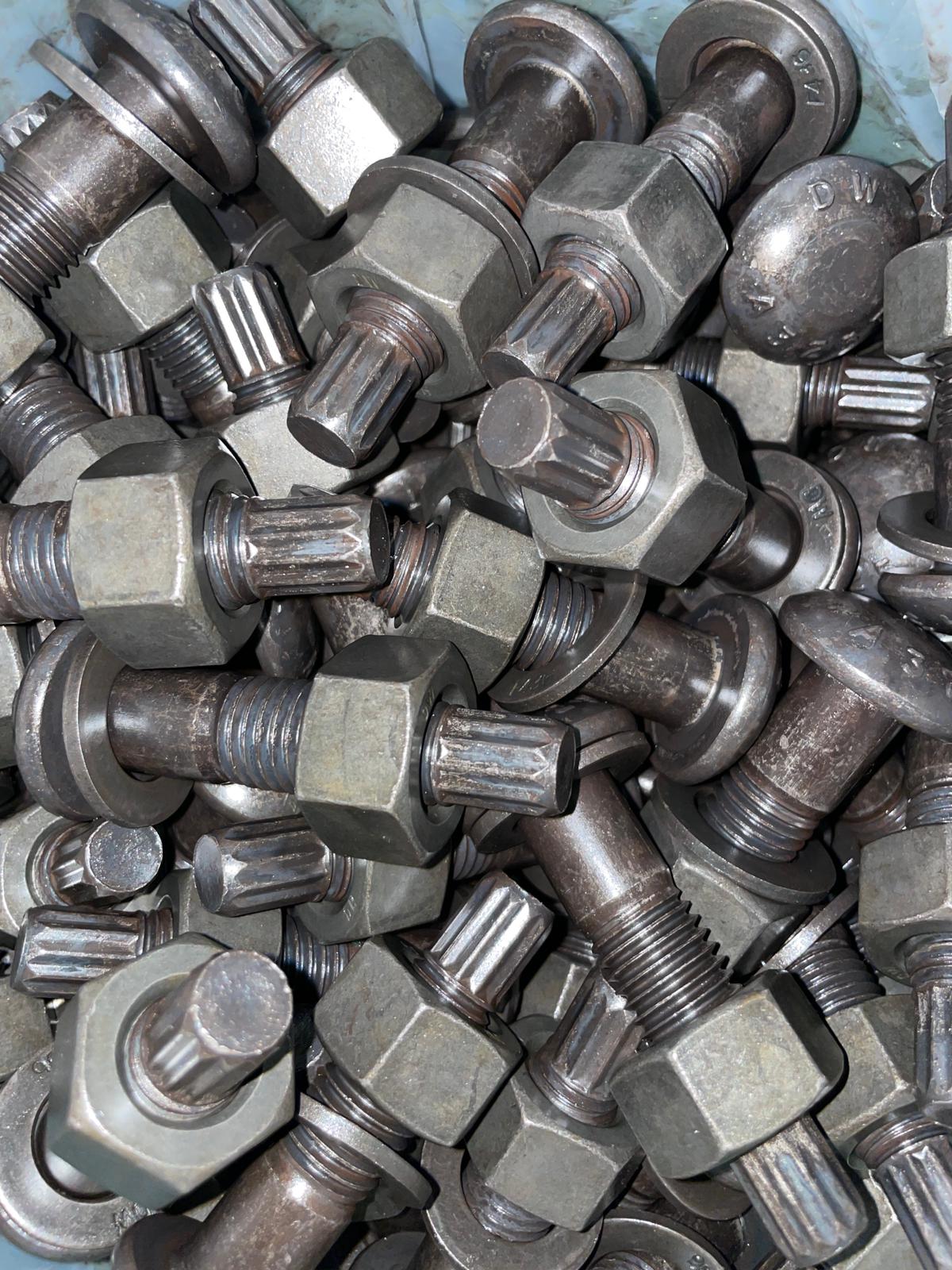
We observe that the most frequent errors often begin before a single bolt is installed in a steel member. TC bolts are not just pieces of steel; they are precision-engineered assemblies that rely on a specific torque-tension relationship. This relationship is maintained by a specialized factory-applied lubricant on the threads and the nut's bearing surface.
When these fasteners are left exposed to the elements: moisture, high humidity, or temperatures exceeding 140°F: the lubrication begins to degrade. Corrosion, even if microscopic, increases the friction during the tightening process. This results in the spline shearing off before the bolt has reached its required design tension.

How to Fix It:
We recommend keeping all TC bolts in their original, sealed containers until the moment they are needed. Store them in a dry, protected environment. If bolts have been exposed or show signs of rust, they should be cleaned and re-lubricated only by the manufacturer or a certified facility, as adding field grease or oil is strictly prohibited and will lead to erratic tensioning results.
2. Skipping the Pre-Installation Verification (PIV)
We understand the pressure of jobsite schedules, but bypassing Pre-Installation Verification (PIV) is a risk that professionals cannot afford. The RCSC (Research Council on Structural Connections) mandates that a representative sample of bolts from each lot be tested daily using a tension-calibrating device, such as a Skidmore-Wilhelm.
This process confirms that the combination of the specific bolt lot, the lubrication condition, and the tool being used will consistently achieve the required tension. Relying on a calibration from "last week" or assuming that a new lot will behave exactly like the previous one is a strategic error that can lead to systemic failures across a project.
How to Fix It:
Establish a non-negotiable daily PIV protocol. Ensure your team uses the exact tools and accessories: including the specific shear wrenches: that will be used on the structure. We provide comprehensive technical support and professional in-house engineering services to help our partners understand these requirements and integrate them into their workflow seamlessly.
3. Neglecting the "Snug-Tight" Condition
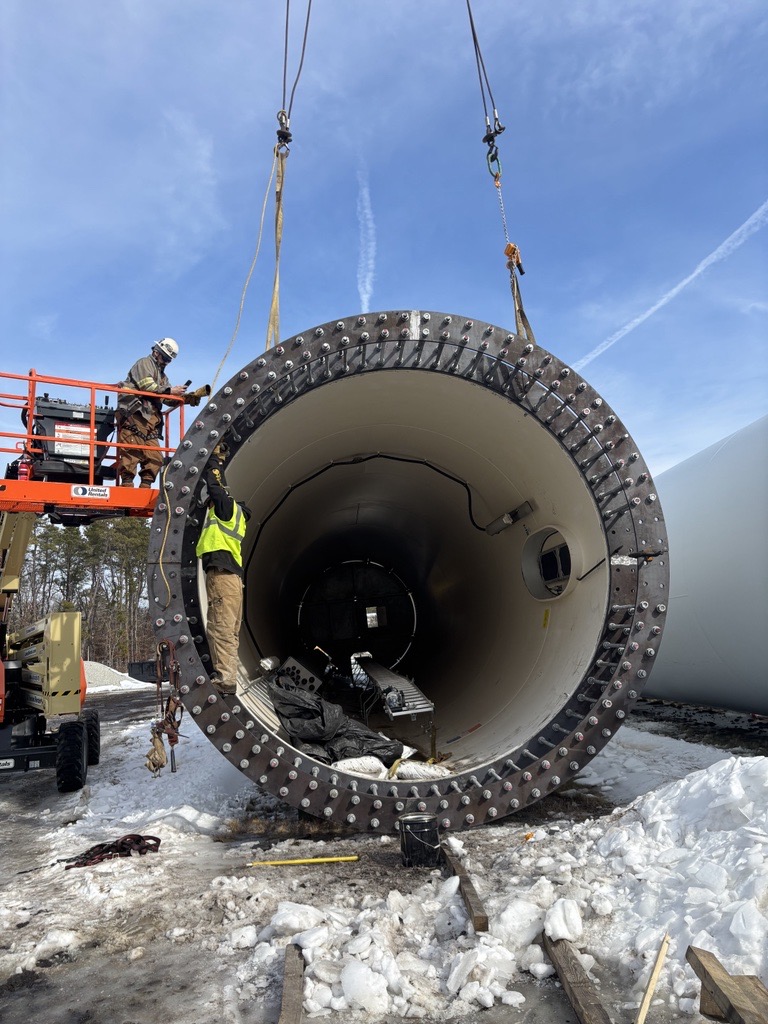
We recognize that the speed of electric shear wrenches can tempt installers to run bolts directly to the "twist-off" point in a single pass. However, a TC bolt cannot properly tension a joint if the steel plies are not already in firm contact. If the bolt's torque is consumed simply by pulling distorted or heavy plates together, the final tension in the bolt will be significantly lower than required.
A joint that is not properly "snugged" leaves gaps between the plies, which can lead to vibration issues, reduced slip resistance, and potential structural movement under load.
How to Fix It:
Implement a clear two-step installation process. First, bring the joint to a snug-tight condition using a systematic pattern, starting from the most rigid part of the joint and moving outward. Only after all plies are in firm contact should the shear wrench be used for the final tensioning step. This ensures that the energy from the tool is correctly converted into bolt tension rather than plate movement.
4. Treating the Sheared Spline as Absolute Proof of Tension
We believe it is critical to address a common industry misconception: the shearing of the spline is proof of torque, not necessarily proof of tension. While the spline is designed to shear at a specific torque level, environmental factors like dirt, lack of lubrication, or thread damage can cause the spline to twist off prematurely.
If a bolt is dirty or rusted, it may take a high amount of torque to turn the nut, causing the spline to shear before the bolt has actually stretched enough to create the required clamping force. Conversely, over-lubricated bolts might not shear until the bolt has exceeded its yield strength.
How to Fix It:
We advocate for a holistic approach to inspection. Visual confirmation that the spline has sheared is the final step, but it must be preceded by verification of proper storage, correct PIV results, and a confirmed snug-tight starting point. Our guide on TC bolt selection explores the nuances of A325 and A490 specifications to ensure you are using the right fastener for your specific environmental conditions.
5. Reusing Fasteners and Mixing Lots
We often see attempts to reuse TC bolts that were partially installed or had their splines sheared during a fit-up mistake. Once the spline is gone, the bolt assembly loses its primary tension-control mechanism and cannot be reliably re-tensioned. Furthermore, mixing nuts from one lot with bolts from another is a direct violation of structural standards.
Each lot of TC bolts is tested as a matched assembly. Mixing components introduces variables that the manufacturer cannot guarantee, potentially leading to inconsistent performance that the inspector cannot easily detect.
How to Fix It:
Maintain strict lot control on the jobsite. Any bolt that has been fully tensioned and had its spline sheared must be discarded if the joint is disassembled. For fit-up purposes, we recommend using standard hex bolts or dedicated fit-up bolts, saving your TC assemblies for final installation. For foundation work requiring specific anchorages, ensure you are utilizing the correct F1554 anchor bolt grades rather than attempting to adapt structural bolts for embedment.
Our Commitment to Structural Integrity
We at LRKD Industries firmly believe that the strength of a structure is found in its smallest details. As a proud Women-Minority Business Enterprise (WMBE), we are dedicated to fostering a community of professionals who value accuracy and reliability above all else. We don't just supply fasteners; we provide the peace of mind that comes from knowing your materials meet the highest industry standards.
Whether you are working on a high-rise in Manhattan or a bridge in Long Island, we are here to support your project from the initial detailing phase to the final bolt installation. We recognize the challenges of modern construction, and we are committed to being the collaborative partner that helps you overcome them.
Author: MEDIA_LRKD