

In the realm of structural engineering and heavy construction, the integrity of a project begins long before the first steel beam is hoisted into place. It starts in the concrete, where the transfer of loads from the superstructure to the foundation depends entirely on the quality and precision of the anchoring system. For decades, ASTM F1554 has stood as the industry standard for these critical components.
At LRKD Industries, we recognize that an anchor bolt is more than just a fastener; it is a vital structural link. Whether you are securing a high-rise building column, a massive highway sign, or a wind turbine tower, understanding the nuances of F1554 material specifications and the complexities of foundation cage fabrication is essential for project success.
The Evolution of ASTM F1554
Before the introduction of ASTM F1554 in 1994, engineers often relied on a patchwork of specifications to designate anchor bolts. It was common to see ASTM A307 Grade C or even ASTM A36 used to describe foundation anchors. However, these specifications were not originally intended for anchor bolt applications.
ASTM F1554 was developed specifically to provide a centralized, comprehensive standard for steel anchor bolts designed to anchor structural supports to concrete foundations. By 2007, it had effectively replaced older designations, providing engineers with a reliable framework that covers straight, bent, headed, and headless anchor bolts. We recognize that staying current with these standards is not just about compliance: it is about ensuring the long-term safety and stability of the infrastructure we help build.
Decoding the Three Grades of F1554
The ASTM F1554 specification is divided into three distinct grades, each defined by its minimum yield strength. This classification allows engineers to select a material that matches the specific load requirements of their foundation design without over-engineering or compromising safety.
Grade 36: The Versatile Standard
ASTM F1554 Grade 36 is a low-carbon steel anchor bolt with a minimum yield strength of 36 ksi. This is the most common grade used in standard construction applications. Because of its carbon content, Grade 36 is inherently weldable, making it an excellent choice for assemblies that require welded nuts or embed plates.
Grade 55: The High-Strength Choice
Grade 55 offers a higher yield strength of 55 ksi. This grade is often utilized in applications where higher load-carrying capacity is required without significantly increasing the bolt diameter. One critical aspect of Grade 55 is the "S1" supplementary requirement. While Grade 55 is not weldable by default, specifying the S1 requirement ensures the chemical composition is adjusted to allow for welding, which is a common necessity in complex foundation cages.
Grade 105: The Heavy-Duty Powerhouse
For projects demanding the highest tensile strength, Grade 105 is the designated choice. Produced from heat-treated alloy steel, these bolts offer a minimum yield strength of 105 ksi. Grade 105 is typically used in heavy industrial applications, such as large-scale power projects or significant bridge structures, where extreme uplift and shear forces are present.

Technical Specifications and Mechanical Properties
Understanding the mechanical limits of these materials is fundamental to proper detailing. The following table outlines the key differences between the three grades:
| Property | Grade 36 | Grade 55 | Grade 105 |
|---|---|---|---|
| Minimum Yield Strength | 36 ksi | 55 ksi | 105 ksi |
| Tensile Strength | 58–80 ksi | 75–95 ksi | 125–150 ksi |
| Elongation (min) | 23% | 21% | 15% |
| Reduction of Area (min) | 40% | 30% | 45% |
At LRKD Industries, we ensure that every bolt we supply meets these rigorous standards. Beyond material strength, F1554 also dictates strict dimensional tolerances. For example, bolts over 24 inches in length have a tolerance of ±1 inch, while shorter bolts are held to ±1/2 inch. Threading must adhere to the Unified Coarse Thread Series per ANSI/ASME B 1.1, typically with a Class 2A tolerance. These precise measurements are what allow for the seamless assembly of structural bolts and hardware on-site.
From Individual Bolts to Precision Anchor Bolt Cages
While a single anchor bolt is a precision-engineered component, the true complexity lies in the assembly of anchor bolt cages. In many large-scale infrastructure projects, bolts are not placed individually. Instead, they are fabricated into "cages" or "clusters" to ensure that the entire array remains perfectly aligned during the concrete pour.
Foundation cages often consist of multiple F1554 bolts held in place by steel templates, reinforcement bars, and structural spacers. The detailing required for these cages is immense. If a single bolt in a 24-bolt circular array is out of alignment by even a fraction of an inch, the steel column or turbine base may not fit, leading to costly delays and structural rework.
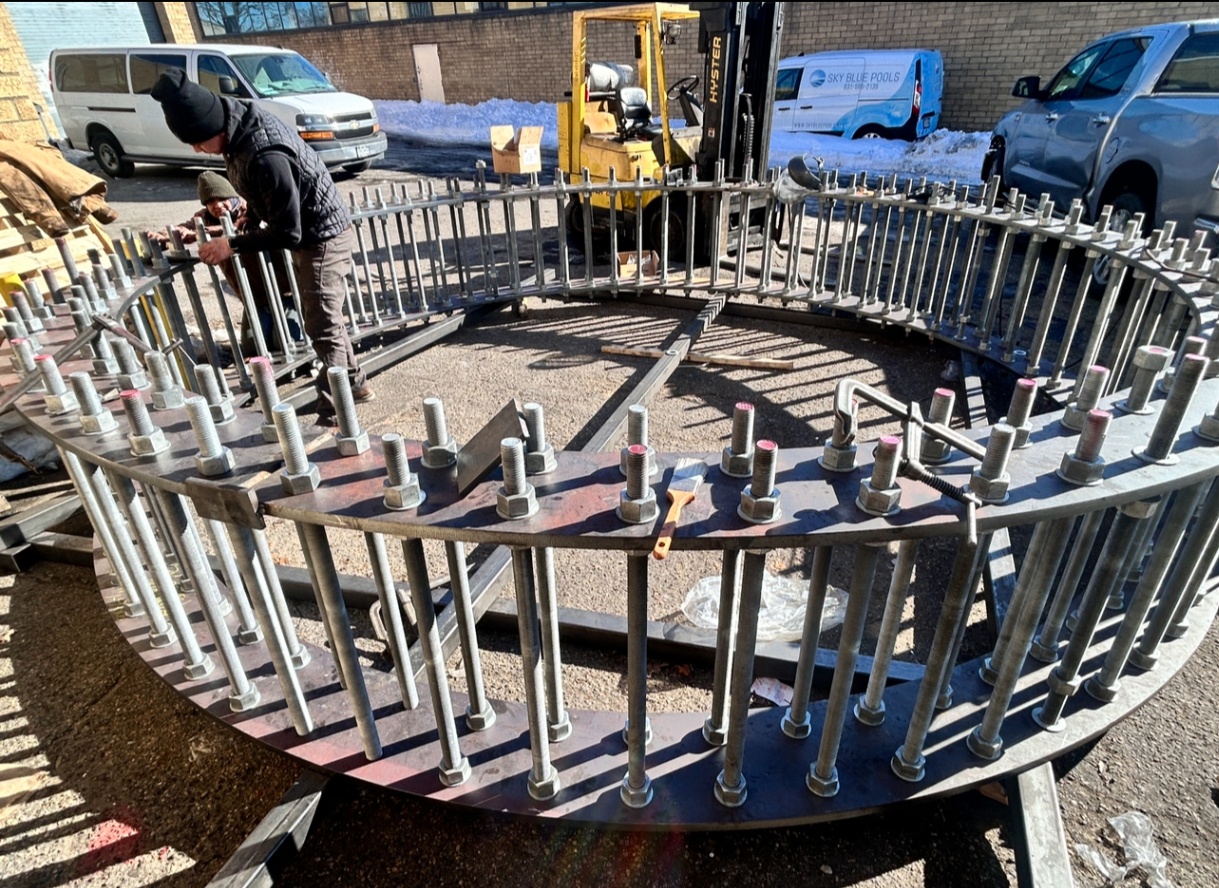
We specialize in the detailing and fabrication of these complex assemblies. Our process involves creating accurate shop drawings that account for every nut, washer, and plate. We utilize precision-cut steel templates to lock the bolts into their exact coordinates. This level of accuracy is what separates a standard supplier from a true fabrication partner.
Fabrication Expertise: Detailing and Customization
The transition from a blueprint to a finished foundation cage requires a deep understanding of steel fabrication. At LRKD Industries, our expertise extends beyond simple distribution to comprehensive custom welding and structural support.
When we approach a foundation project, we consider the following:
- Template Precision: We use heavy-duty steel templates to ensure the bolt pattern matches the base plate of the structure. These templates are often left in place or removed after the concrete sets, depending on the engineer's requirements.
- Hardware Coordination: A cage is only as strong as its connections. We provide the compatible nuts and washers required for the specific F1554 grade being used.
- Weldability and Material Integrity: For Grade 55 and Grade 105 bolts, welding must be handled with extreme care to avoid compromising the heat-treated properties of the steel. Our fabrication team understands the metallurgical requirements to maintain structural integrity.
- Corrosion Protection: Many anchor bolt applications are exposed to harsh environments. We offer various finishes, including Hot-Dip Galvanizing, which is the most common method for protecting F1554 bolts from moisture and soil chemicals.
Applications in Modern Infrastructure
The versatility of F1554 anchor bolts makes them indispensable across various sectors. Each application presents its own set of challenges that require tailored solutions.
Wind Energy and Power Distribution
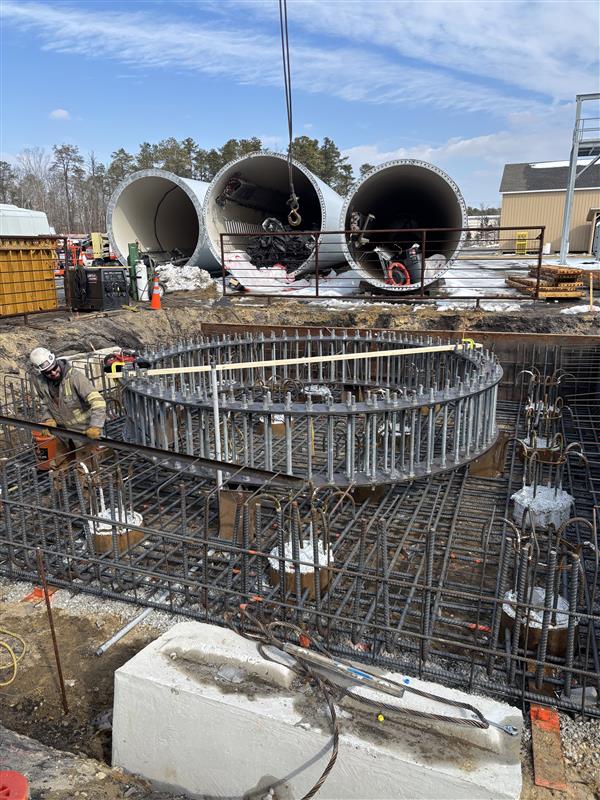
The renewable energy sector relies heavily on F1554 Grade 105 and Grade 55 bolts. Wind turbine foundations utilize massive anchor cages that must withstand incredible rotational and lateral forces. The precision of the anchor cage is paramount here, as the turbine tower section must align perfectly with the embedded bolts.
Highway and Bridge Construction
From overhead sign structures to bridge bearing plates, F1554 bolts provide the necessary anchorage for our transportation networks. These applications often require Grade 36 or Grade 55 bent bolts (L-bolts or J-bolts) to provide the necessary pull-out resistance within the concrete footings.
Commercial and Industrial Buildings
In warehouse construction and commercial high-rises, headed F1554 bolts are the standard for securing building columns. We coordinate with structural steel fabricators to ensure that the hex bolts and anchor rods are delivered to the site ready for immediate installation, often as part of a pre-assembled embedment kit.
The Importance of Accurate Detailing
In foundation engineering, the "measure twice, cut once" adage is an understatement. The detailing phase is where the success of the foundation is determined. We work closely with engineers to interpret anchor bolt plans, ensuring that embedment depths, projection lengths, and thread lengths are all accounted for.
Using sophisticated modeling and detailing software, we can visualize the cage assembly before a single piece of steel is cut. This proactive approach allows us to identify potential interferences with rebar or other embedded items, such as electrical conduits or drainage pipes.
Choosing a Partner for Your Foundation Needs
Selecting the right anchor bolts and fabrication partner is a decision that impacts the entire lifecycle of a structure. At LRKD Industries, we combine a massive inventory of priority products on stock with the technical expertise to handle the most demanding custom fabrication projects.
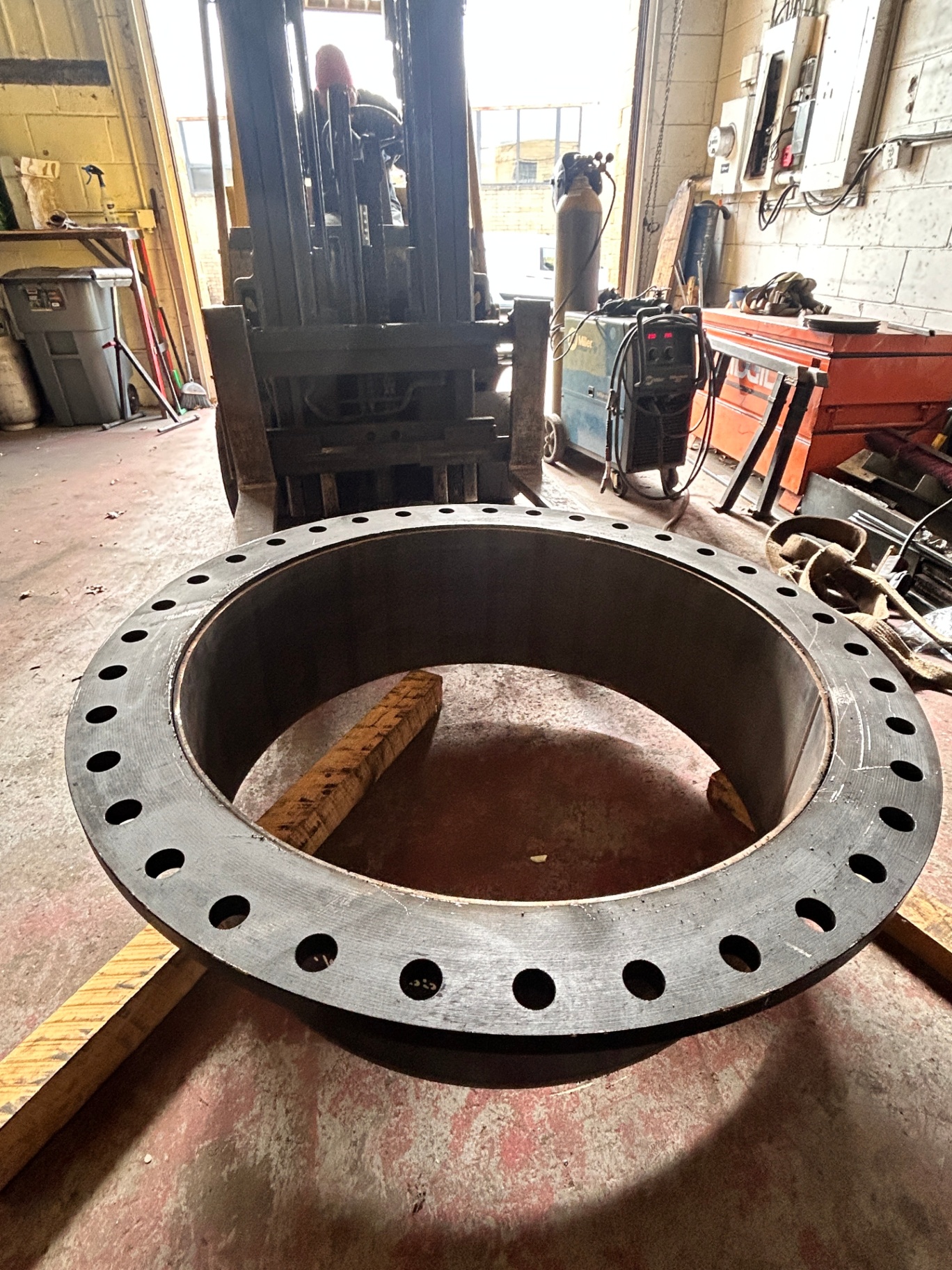
We understand that our clients operate in a high-pressure environment where timing and accuracy are everything. That is why we focus on streamlined delivery and unwavering quality control. Whether you need a simple set of threaded rods or a complex, multi-bolt circular cage for an industrial flange, we have the capabilities to deliver.
Our commitment to the industry is backed by our certifications and our deep-rooted understanding of the standards that keep our world standing. From the initial material selection of ASTM F1554 to the final tensioning of the nuts on-site, we are your partners in structural integrity.
Author: MEDIA_LRKD