

In the demanding world of structural steel erection and heavy infrastructure, efficiency is not just a goal: it is a requirement. Project timelines are tightening, and labor costs continue to rise, forcing contractors to look for smarter ways to maintain structural integrity without bloating their budgets. One of the most significant advancements in this sector is the widespread adoption of Tension Control Bolts (TCBs).
We recognize that the transition from traditional hex-head bolts to TCBs represents a shift in how we approach site safety and quality assurance. At LRKD Industries, we provide the high-strength fasteners required for these massive projects, and we understand that the right hardware can transform a two-man operation into a streamlined, one-man task. This guide breaks down everything you need to know about Tension Control Bolts, from their technical anatomy to the step-by-step process of mastering one-man installation.
Understanding the Anatomy of a Tension Control Bolt
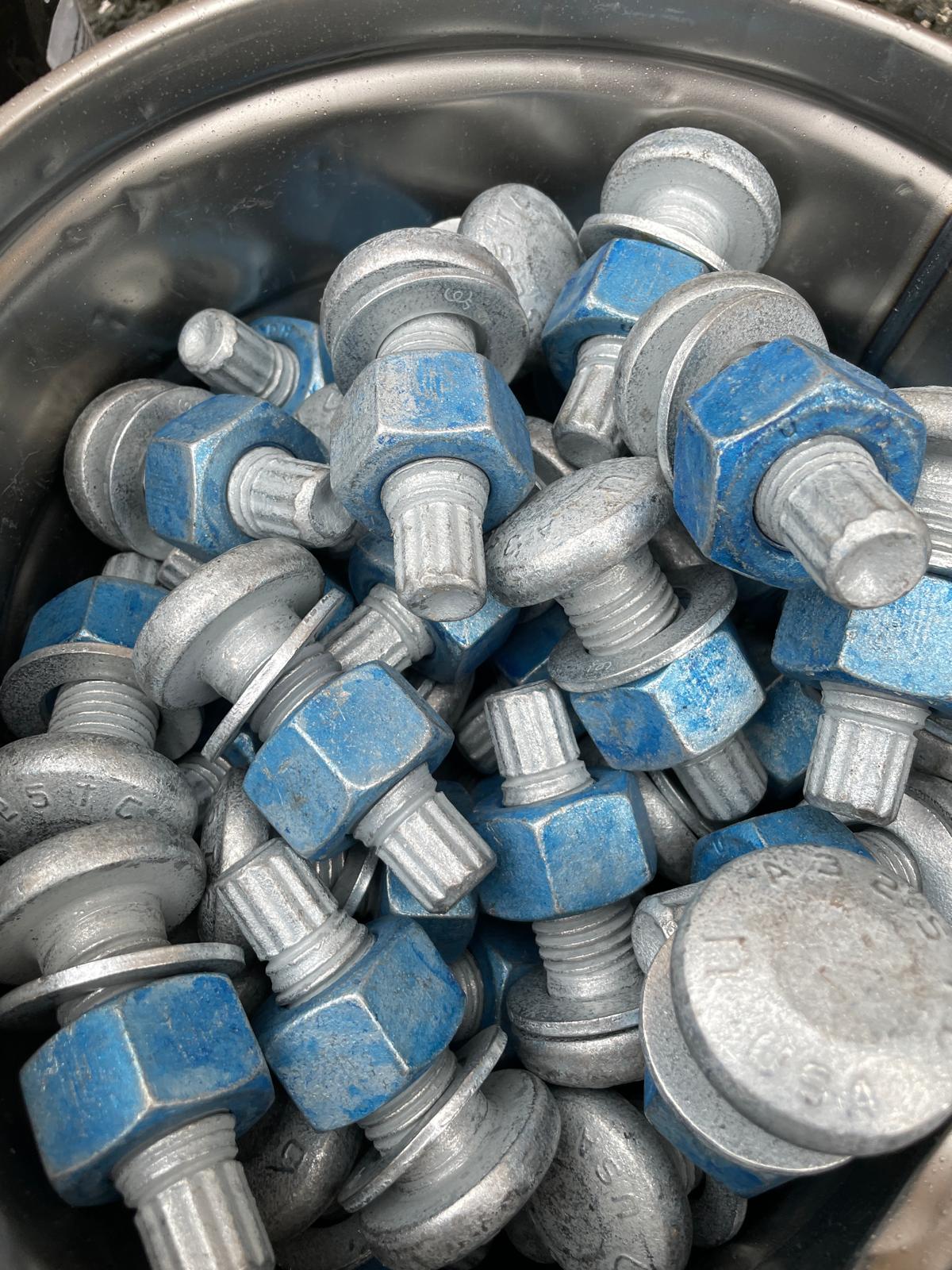
Tension Control Bolts are specialized preloaded fasteners designed for use in structural steel-to-steel connections. Unlike standard structural bolts that feature a traditional hex head, a TCB is easily identified by its smooth, rounded "button" or dome head and a unique splined end extending beyond the threaded portion of the shank.
These bolts are part of a three-piece assembly: the bolt itself, a heavy hex nut, and a hardened washer. The magic of the TCB lies in the spline. This sacrificial end is engineered to shear off at a very specific torque level, which corresponds directly to the required tension or "preload" in the bolt.
When you choose TCBs for your project, you are investing in a system where the bolt itself acts as its own quality control mechanism. This eliminates the need for manual torque checks and provides an immediate visual confirmation that the connection is secure.
The Structural Benefits of TCB Systems
In heavy industry and infrastructure: think bridges, high-rise commercial buildings, and power plants: the structural demands are immense. TCBs offer several technical advantages over traditional hex bolts and manual torquing methods:
Consistent Tensioning: Because the spline shears off only when the internal tension reaches the specified level, every bolt in the joint is tightened with high precision. This consistency is difficult to achieve with manual torque wrenches, which are susceptible to operator error and calibration drift.
Lower Labor Costs: Traditional structural bolting often requires a "bolting party" consisting of two people: one to hold the bolt head and one to operate the wrench. TCBs are designed for single-operator installation. One worker can handle the entire process from one side of the joint, effectively cutting labor requirements for bolting in half.
Enhanced Safety and Ergonomics: TCB installation utilizes electric shear wrenches which are non-impacting. This means there is no "kickback" or vibration-related injury risk (HAVS) commonly associated with impact wrenches. Furthermore, the absence of heavy air hoses and loud compressors on the job site creates a safer, quieter work environment.
Visual Inspection Capability: Once the spline has sheared off, the bolt is properly tensioned. This allows site inspectors to verify thousands of bolts at a glance. If the spline is gone, the bolt is done.
The Essential Tool: The Electric Shear Wrench
You cannot install TCBs with standard tools. The system relies on a specialized electric shear wrench. This tool features two concentric sockets that rotate in opposite directions. The inner socket grips the bolt spline, while the outer socket fits over the nut.
When the tool is engaged, the outer socket turns the nut clockwise to tighten the assembly. Simultaneously, the inner socket holds the spline. As the resistance increases and the required tension is met, the torque overcomes the strength of the spline, causing it to snap off. This counter-force mechanism ensures that the bolt shank does not spin during installation, which is why a second worker is not needed to hold the bolt head.
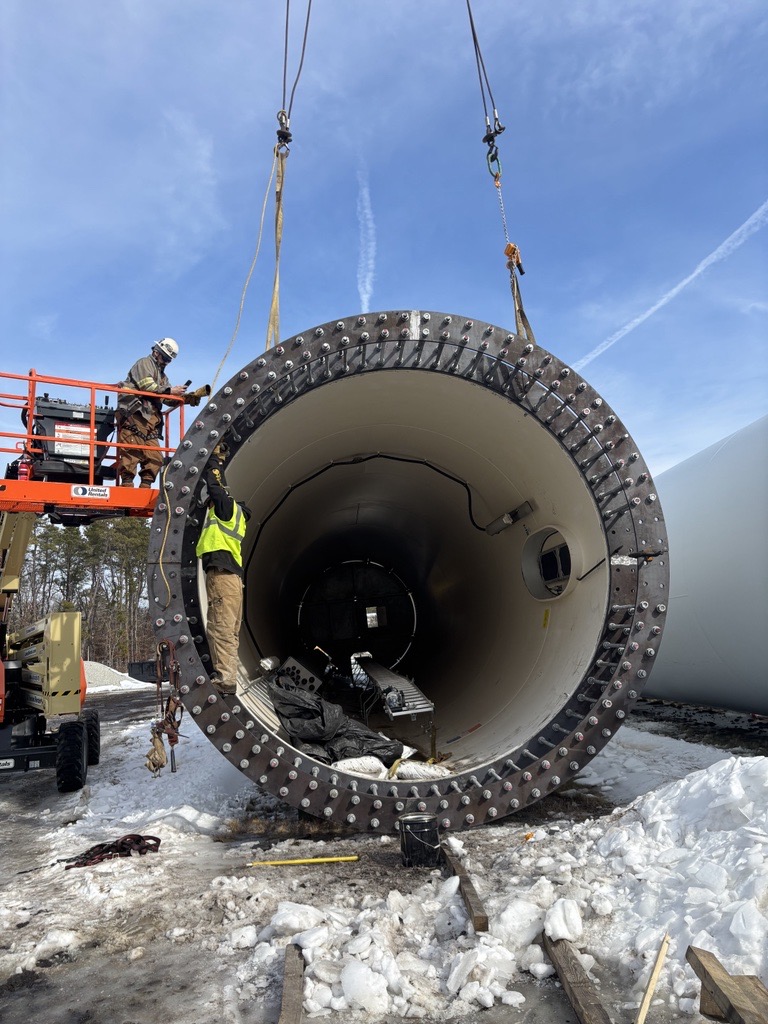
For large-scale industrial projects, such as wind turbine assembly or bridge work, these wrenches are indispensable. They are lightweight, run on standard power, and require no calibration on-site.
Step-by-Step Installation Procedure
Mastering TCB installation requires a disciplined approach to ensure the steel plies are properly drawn together before final tensioning. Follow these steps for a professional-grade installation:
1. Preparation and Assembly
Begin by inserting the bolt through the pre-drilled holes in the steel connection. Place the hardened washer onto the bolt. It is critical to ensure the chamfered (beveled) side of the washer is facing outward, away from the steel surface. Next, thread the nut onto the bolt. Ensure any manufacturer markings on the nut are facing outward to allow for easy quality assurance visibility later.
2. The Snug-Tight Phase
Before you reach the final tension, the joint must be "snug-tight." This means the steel plates are in firm contact with each other. Use the shear wrench to tighten each bolt in the joint until the plies are pulled together. In large bolt groups, always start from the most rigid part of the connection (usually the center) and work your way outward to the edges.
Note: If a spline shears off during this initial snug-tight phase, the bolt must be removed and replaced. It indicates the bolt reached final tension before the joint was properly seated.
3. Final Preload
Once the joint is snug, engage the shear wrench for the final pass.
- Fit the inner socket over the bolt spline and the outer socket over the nut. Ensure both are fully seated.
- Depress the power trigger. You will hear the motor work as the nut is tightened to its bedding torque.
- Continue holding the trigger. As the correct preload is achieved, the outer socket will stop rotating, and the inner socket will counter-rotate, shearing the spline off.
- Release the trigger and remove the tool from the nut.
4. Spline Disposal
Use the ejector lever on the shear wrench to safely drop the sheared spline into a collection bag. Leaving sheared splines on walkways or scaffolding creates a significant trip and fall hazard on industrial sites.

Key Considerations for Infrastructure Projects
When working on heavy infrastructure, the scale of the project introduces unique challenges. Whether you are dealing with structural bolts for a bridge or anchor systems for a foundation, precision is non-negotiable.
Bolt Group Patterns: In joints with more than four bolts, the "star" or "center-out" pattern is essential. This prevents the "oil-can" effect, where the steel plates gap in the middle because the edges were tightened first.
Environmental Protection: For projects exposed to the elements, such as highway bridges or marine environments, TCBs are often supplied with specialized coatings like Greenkote® or galvanization. These coatings provide superior corrosion resistance without affecting the torque-tension relationship of the bolt.
Foundation Synergy: While TCBs handle the steel-to-steel connections, the foundation relies on high-strength anchor bolts. It is important to distinguish between the two. For foundation cages and embed hardware, we utilize ASTM F1554 (Grades 36, 55, or 105) to ensure the structure is securely tethered to the concrete base.
Quality Assurance and Inspection
The primary reason engineers specify TCBs is the ease of inspection. In traditional bolting, an inspector might have to use a calibrated torque wrench to test a percentage of the bolts, a process that is both time-consuming and subject to variation.
With TCBs, the inspection is largely visual. If the spline is missing, the bolt has reached the tension required to snap the steel at the notched point. This "break-off" point is calibrated during manufacturing to meet specific ASTM standards (such as F3125).
We advocate for a "clean-as-you-go" policy. By collecting splines in a designated container, you not only keep the site safe but also provide a physical count of completed installations that can be cross-referenced against your bolt list.
Why Sourcing Matters
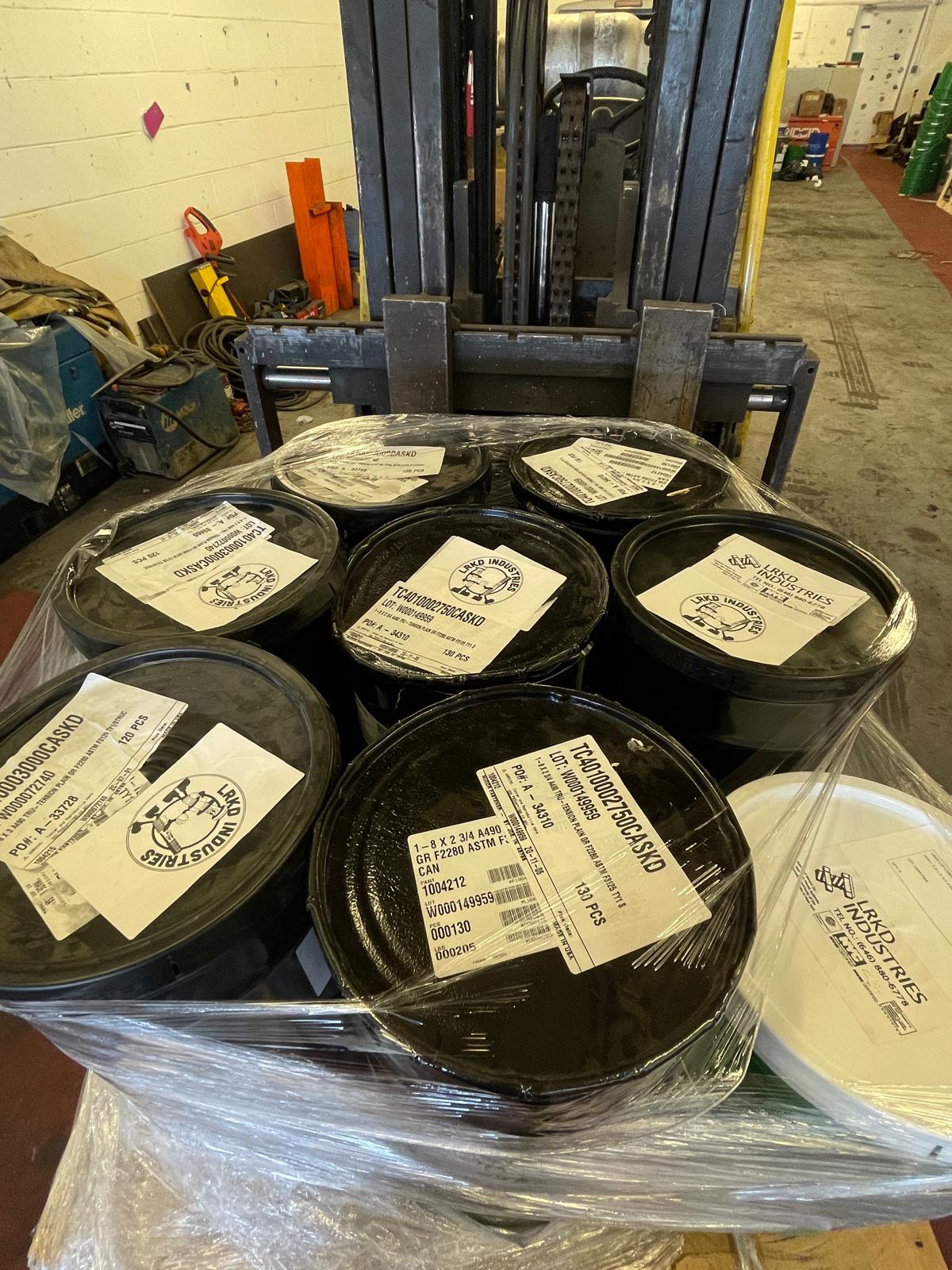
In heavy industry, a delay in fastener delivery can stall an entire project. Sourcing your structural bolts and installation supplies from a reliable partner is as important as the installation itself. At LRKD Industries, we maintain a centralized supply chain to ensure that your TCBs, washers, and nuts arrive on-site, on time, and with all necessary certifications.
As a minority- and woman-owned business certified by the Port Authority of NY & NJ, we understand the regulatory and quality standards required for public works and large-scale private infrastructure. We don't just supply parts; we provide the logistical support needed to keep your one-man installation teams moving efficiently.
Conclusion: Efficiency Built Into the Hardware
The shift toward Tension Control Bolts is a testament to the industry's drive for efficiency. By moving away from labor-intensive manual torquing and toward a self-regulating system, contractors can achieve higher precision with fewer man-hours.
Whether you are assembling a wind turbine, erecting a skyscraper, or reinforcing a bridge, mastering the one-man installation of TCBs will significantly impact your project's bottom line and safety record. We recognize the challenges of modern construction, and we are committed to providing the high-quality structural fasteners and technical expertise required to meet those challenges head-on.
For more information on our full range of structural fasteners, including TC bolts and custom anchor bolt fabrication, explore our priority products on stock or contact our team for a detailed quote.
Author: MEDIA_LRKD