

For structural ironworkers, project superintendents, and steel erection foremen, the speed and accuracy of high-strength structural bolt installation dictate project momentum. When you are erecting high-rise buildings, bridges, and heavy industrial facilities, every minute counts on the iron. Tension control bolts, commonly known as tc bolts, have revolutionized structural steel connections by providing a foolproof method for achieving correct pre-tensioning without the need for calibrated torque wrenches or multi-person inspection crews.
However, the efficiency of tension control bolts relies entirely on the reliability and correct operation of the specialized electric shear wrench driving them. When a shear wrench performs at peak capacity, your crew maintains maximum productivity. When it malfunctions or encounters field hurdles, project timelines stall. We recognize the daily operational pressures of structural steel erection, which is why establishing rigorous shear wrench best practices is essential for keeping your installation crew productive and safe.
Understanding the Mechanics of Shear Wrenches and Structural Bolts
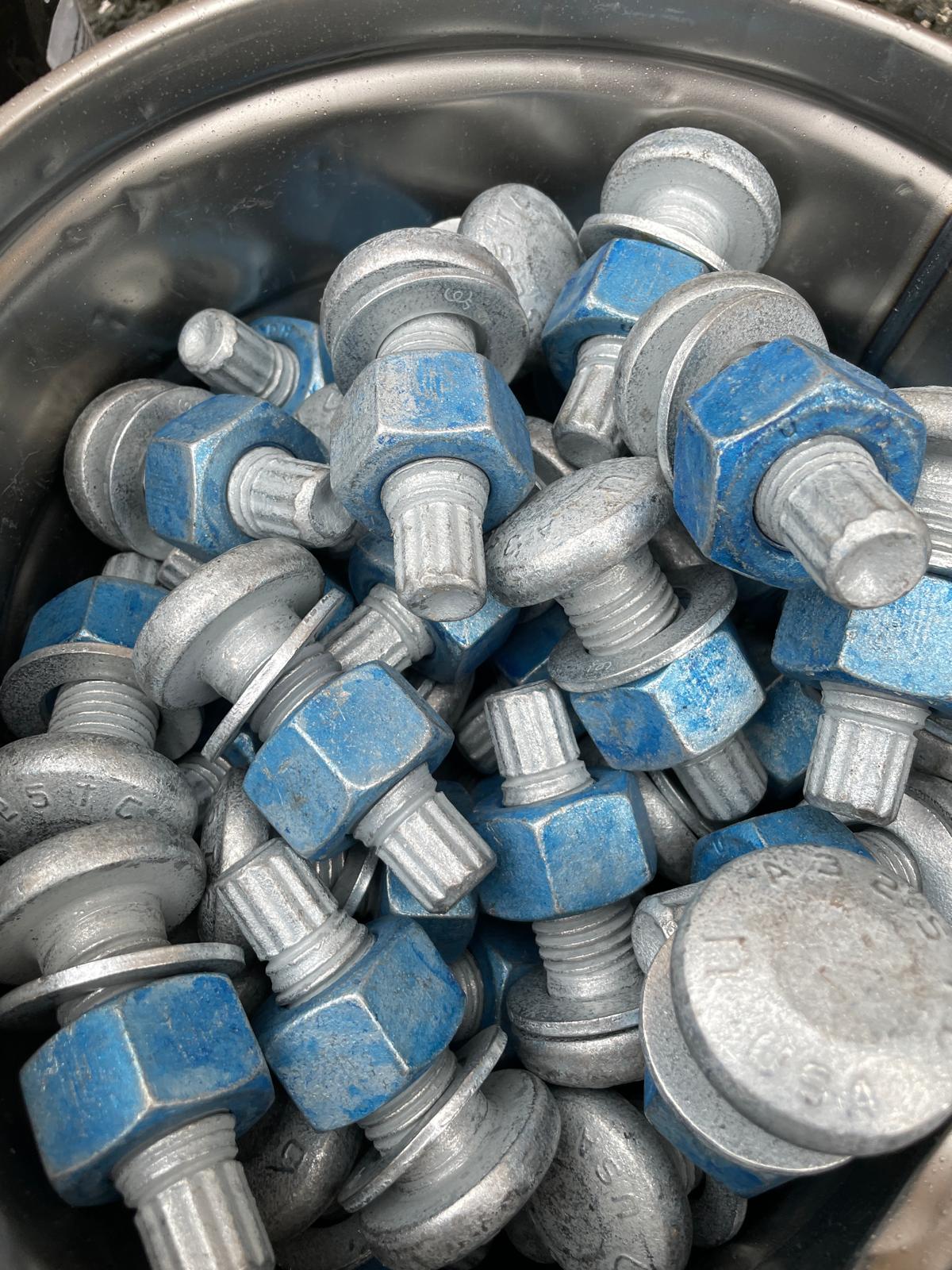
To maintain and troubleshoot installation equipment effectively, crews must understand the symbiotic relationship between the tool and the fastener. A325 tension control bolts and heavy hex assemblies feature an engineered splined end that extends beyond the threaded portion of the bolt. The shear wrench utilizes two concentric sockets: an outer socket that engages the heavy hex nut and rotates it clockwise, and an inner socket that engages the splined tip and restrains it from rotating.
As the outer socket turns the nut, clamping force increases steadily until the specified tension is reached. Once that exact tension threshold is achieved, the spline shears off cleanly at a designated groove, providing immediate, visual confirmation of correct installation.
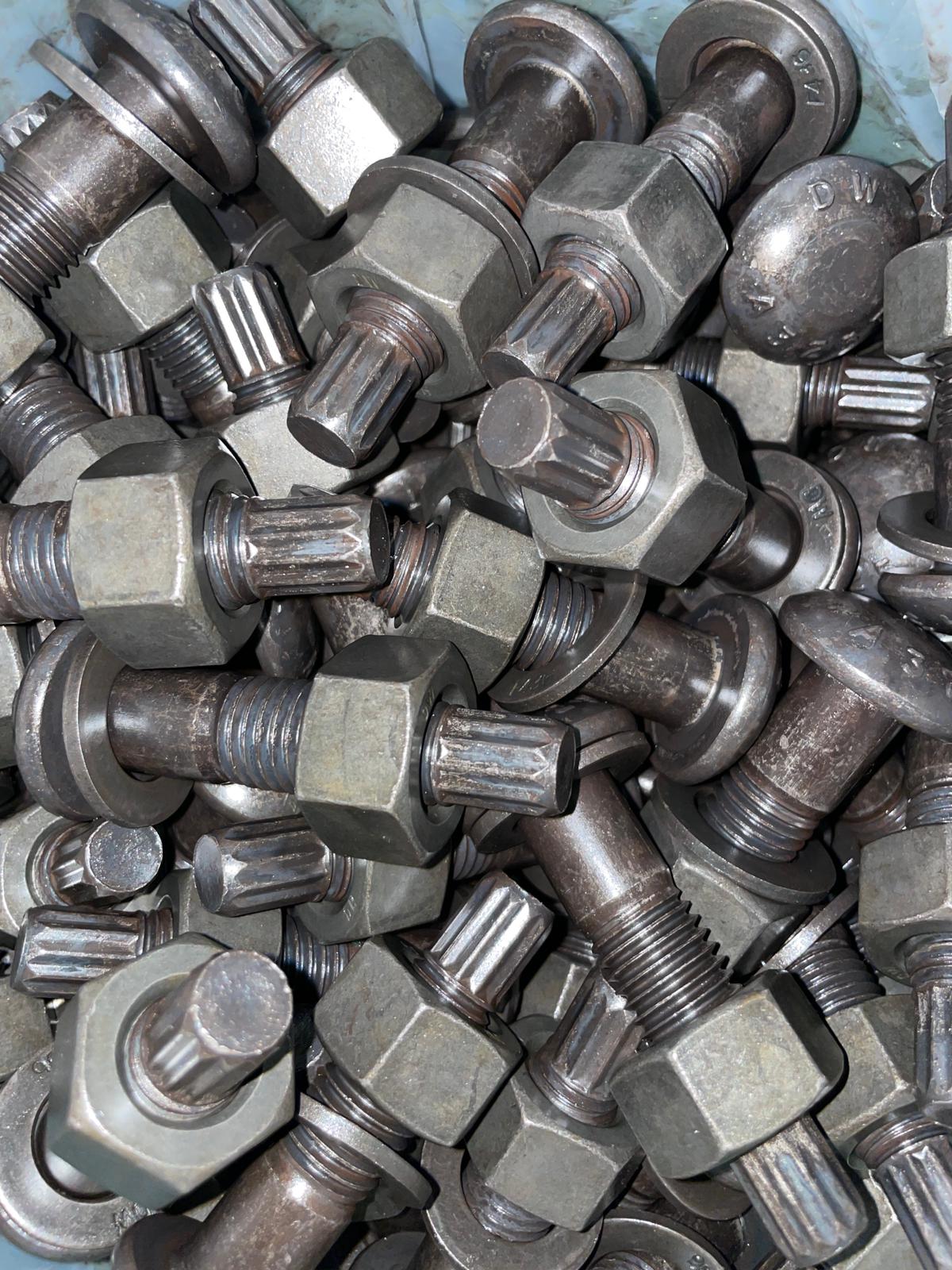
We recognize that precision is non-negotiable in structural engineering. Utilizing high-quality structural bolts alongside meticulously maintained tools ensures that every connection meets stringent industry standards and structural integrity requirements.
Preventive Maintenance Protocols for Maximum Tool Uptime
Field equipment takes a beating in steel construction environments. Dust, metal shavings, moisture, and extreme temperatures impact the internal gearing and motor performance of electric shear wrenches. Implementing a disciplined maintenance routine prevents unexpected tool failures on the iron.
Daily inspection of the inner and outer sockets is mandatory. Over time, socket broaches wear down, leading to slippage, rounded splines, or damaged nut corners. Inspect the socket teeth daily for wear, cracking, or debris accumulation. Clean out metal shavings and grit using compressed air or approved solvent cleaning agents.

Lubrication schedule enforcement protects internal gear assemblies against premature friction wear. Apply manufacturer-specified grease to planetary gears and drive mechanisms at recommended operating intervals. Keep power cords, triggers, and housing free from cuts or fraying to prevent electrical hazards in damp or elevated field conditions. Establishing routine preventive maintenance ensures your installation crew experiences zero unexpected downtime during critical erection phases.
Troubleshooting Common Field Issues with TC Bolt Installation
Even with diligent maintenance, ironworkers occasionally encounter operational hurdles in the field. Knowing how to diagnose and resolve these issues swiftly keeps production moving forward.
The Spline Fails to Shear Cleanly
When the inner spline refuses to shear off or strips instead of breaking, the root cause is typically socket wear or incorrect tool seating. Inspect the outer socket to ensure it is fully seated on the nut and that the inner socket has fully engaged the spline. If the inner socket broach is rounded or stripped, replace the socket immediately. Additionally, verify that you are installing certified tc bolts and matching components that comply with manufacturer specifications.
Tool Overheating During Continuous Operation
Heavy-duty shear wrenches generate substantial internal heat during high-volume bolting sequences. If the tool housing becomes excessively hot, pause operation and allow the motor to cool. Overheating compromises electrical windings and reduces motor lifespan. Rotate between primary and backup tools on large-scale connection spreads to manage thermal loads effectively.
Nut Jamming Inside the Outer Socket
A sheared spline can occasionally wedge tightly inside the outer socket, halting subsequent installations. Never use makeshift pry bars or hammer the socket directly to remove jammed splines, as this damages the precision broaching. Keep a specialized pin punch and mallet on hand to gently drive the retained spline out from the rear of the socket.
We recognize that field troubleshooting must be fast and decisive, which is why proper tool familiarization is a core component of crew preparedness.
Enhancing Jobsite Safety During High-Strength Bolting
Safety on the iron is paramount. Operating heavy electric tooling at height requires strict adherence to occupational safety protocols to protect erectors and ground crews.
Reaction torque is a critical consideration. When the shear wrench completes its cycle and the spline snaps, the tool produces a sudden rotational reaction force. Operators must maintain a firm, balanced stance, utilizing proper body positioning and reaction arms where necessary to prevent sudden arm strain or loss of balance, especially when working on elevated steel beams or connector scaffolds.
Electrical safety must never be compromised. Inspect all extension cords, ground fault circuit interrupters (GFCIs), and tool power connections daily. Protect connections from standing water and mud accumulation on jobsite floors. Always equip installation crews with appropriate personal protective equipment, including impact-resistant eye protection, heavy-duty leather work gloves, and steel-toed boots.
We firmly believe that safety and productivity are inextricably linked. A secure, well-trained crew operates with confidence and efficiency.
Maximizing Crew Productivity on Structural Steel Projects
Productivity on structural steel projects is driven by workflow organization, material staging, and equipment readiness. Streamlining the connection process allows your ironworkers to maintain a consistent rhythm throughout the shift.
Stage materials strategically near connection points. Ensure boxes of tension control bolts, washers, and heavy hex assemblies are hoisted and distributed evenly across working decks to minimize unnecessary transit time for connectors. Pair your bolting crews logically: one ironworker positioning and snugging components with impact wrenches, followed immediately by the shear wrench operator completing final tensioning.
Maintain a centralized inventory of replacement wear parts on-site, including spare inner and outer sockets, retaining rings, and carbon brushes. Waiting days for replacement parts to ship brings steel erection to a complete halt.
By combining disciplined equipment maintenance, proactive troubleshooting, rigorous safety standards, and organized material staging, your team achieves optimal installation velocity.
Partner with LRKD Industries for Your Structural Fastening Needs
Success in structural steel construction requires dependable materials and responsive partnership. At LRKD Industries, we specialize in supplying high-grade structural bolts, a325 tension control bolts, and comprehensive fastener solutions engineered to meet exacting industry standards. As a proud Women-Minority Business Enterprise (WMBE), we combine deep industry expertise with prompt customer support and reliable product availability.
Whether you are erecting complex industrial facilities, commercial towers, or infrastructure bridges in the New York area and beyond, our team provides the premium steel supply and technical backing you need. Explore our structural bolts collection or reach out to our specialists today to equip your next project with industry-leading fastening solutions.
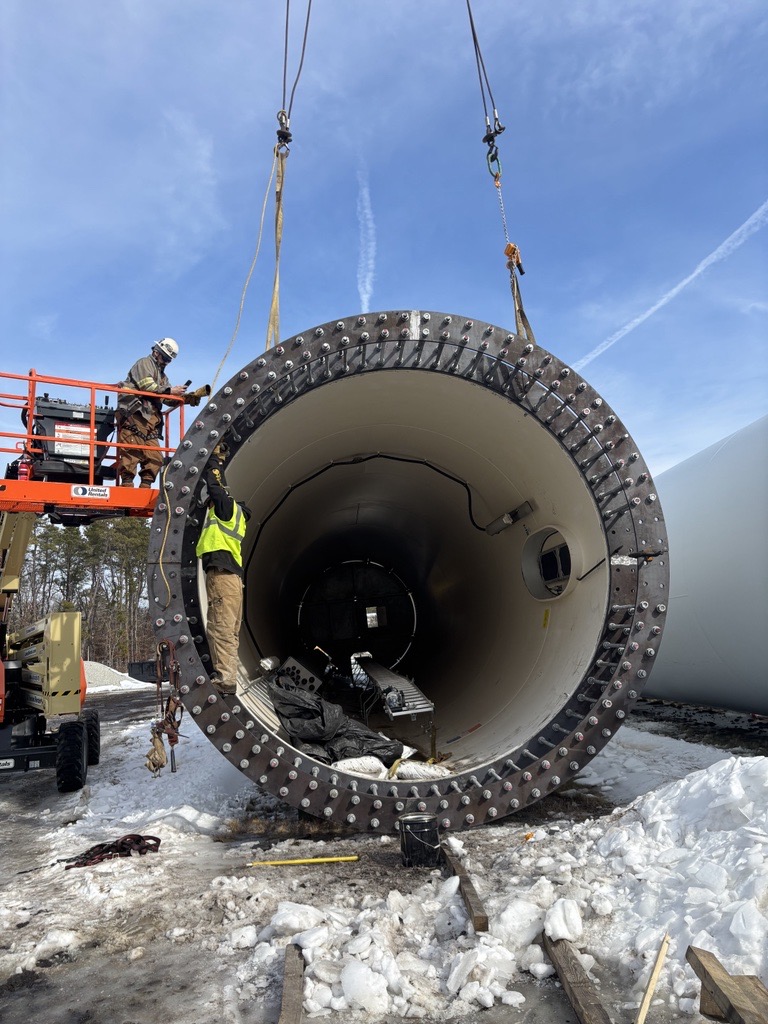
We recognize your commitment to excellence, and we are dedicated to delivering the reliability and accuracy your projects demand.
Author: MEDIA_LRKD