

When structural steel erection reaches the bolting phase, contractors and field engineers carry the responsibility of ensuring every connection performs precisely as engineered. Tension Control (TC) bolts have become an industry standard for structural fastening in bridges, high-rise buildings, and industrial facilities because they eliminate operator variability in pre-tensioning. However, specifying high-quality structural fasteners from reliable suppliers such as LRKD Industries structural bolts collection is only the first step. Proper on-site inspection guarantees that the engineering design translates safely into the built environment.
We understand the rigorous demands of jobsite quality control, which is why we provide this practical guide to verifying TC bolt installations. By following systematic verification protocols, your team ensures structural integrity, compliance with industry standards, and complete accountability across every connection.
Pre-Installation Verification: Establishing the Baseline
Before a single production bolt goes into the steel framework, field verification must establish that your assembly components function as intended. Pre-installation verification (PIV) is a mandatory step for any pretensioned joint using high-strength fasteners.
We recognize that site conditions and tool calibration directly impact final clamping force. Every combination of bolt diameter, length, grade, and lot must undergo PIV testing on site using a calibrated bolt tension calibrator, such as a Skidmore-Wilhelm unit. The testing crew must use the exact installation tools designated for the work, ensuring identical mechanical feedback during actual erection.
During this verification process, at least three bolt assemblies from each specific lot must achieve a tension equal to or greater than 105% of the minimum required pretension specified by the design drawings. The spline must shear off cleanly at or above this tension threshold. Confirming that PIV is completed and documented before production bolting starts protects your project from widespread rework and non-compliance issues.
Snug-Tightening and the Shear Wrench Mechanism
The installation sequence for TC bolts relies on two distinct phases: bringing the connection to a snug-tight condition and activating the shear wrench for final pretensioning.
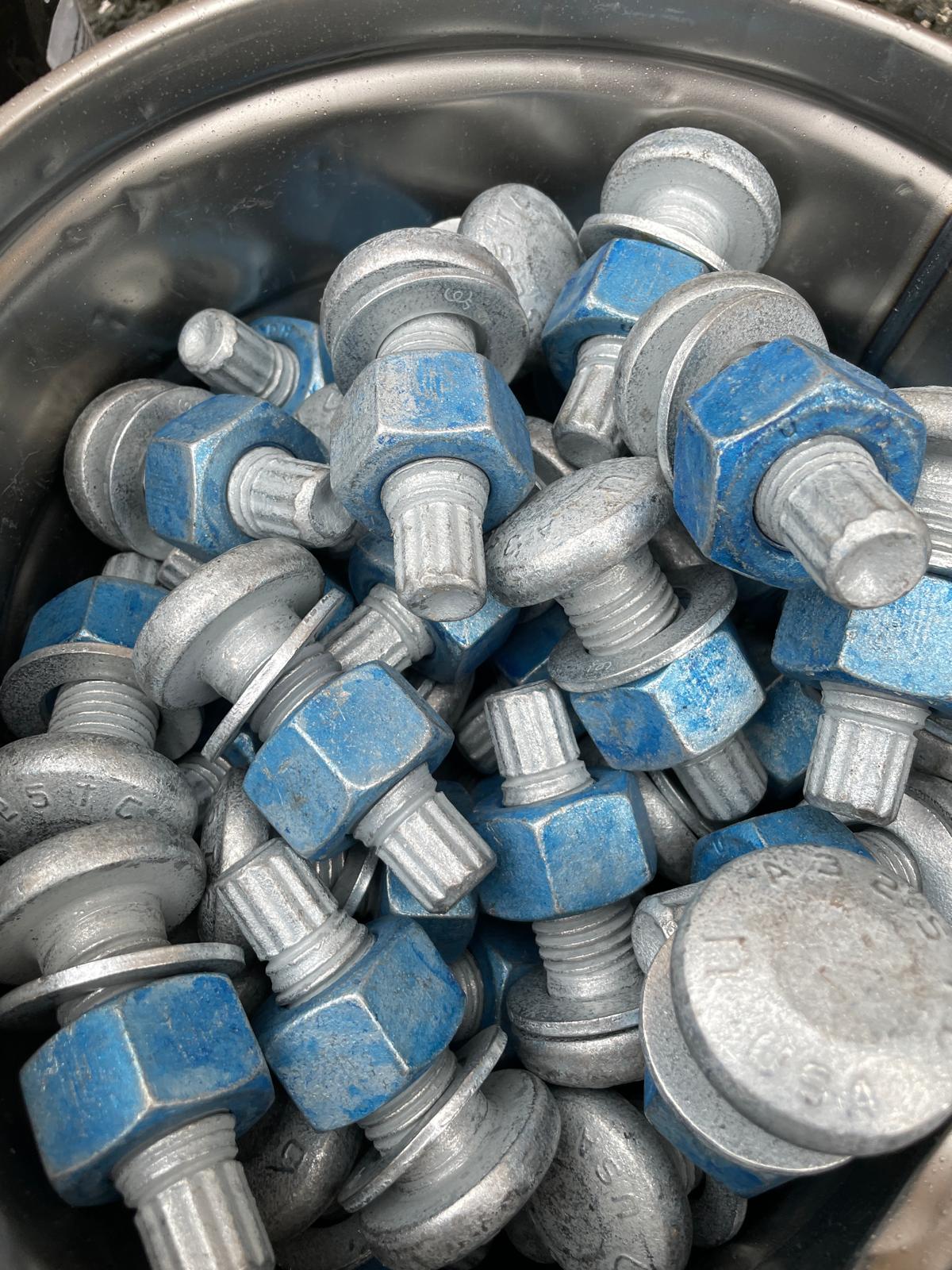
All fastener assemblies within a joint must first be brought to a snug-tight condition. This brings the connected structural steel plies into firm, uniform contact. Snug-tight is achieved using the full effort of an ironworker with an impact wrench or spud wrench, without twisting off the spline prematurely. Field inspectors must verify that no splines twist off during this initial snugging phase. Premature spline shear indicates improper tool operation or bolt over-torging.
Once all bolts in the connection reach snug-tightness, the shear wrench is applied. The inner socket engages the spline while the outer socket turns the heavy hex nut. The operator runs the tool continuously until the spline twists off. That snapped spline is the primary visual indicator that the bolt has attained the correct specified tension. Establishing uniform snugging followed by proper shear wrench operation ensures consistent, reliable clamping forces across the entire structural frame.
Visual Inspection of the Spline and Joint Assembly
Unlike standard hex bolts that require calibrated torque wrenches for final verification, TC bolts offer a distinct advantage: primary inspection is visual.
We advise field inspectors to walk every completed connection and conduct a systematic visual check of all fastener assemblies. A cleanly sheared spline indicates that the shear wrench achieved the required torque and rotation. Conversely, any bolt where the spline remains attached represents an improperly tightened connection that must be addressed immediately.
In addition to checking the spline, field verification must confirm joint geometry and accessory placement. All connected plies must be in firm contact with no unintended gaps remaining between steel members. Inspectors must also verify that ASTM F436 flat washers are positioned correctly under the turned element, matching the configuration tested during pre-installation verification. Thorough visual inspection of every bolt guarantees that no un-pretensioned fasteners remain hidden within the completed structure.
Verifying Fastener Grades and Surface Markings
Material traceability and grade verification are critical components of any structural steel inspection program. Using incorrect fastener grades compromises structural safety and violates engineering specifications.
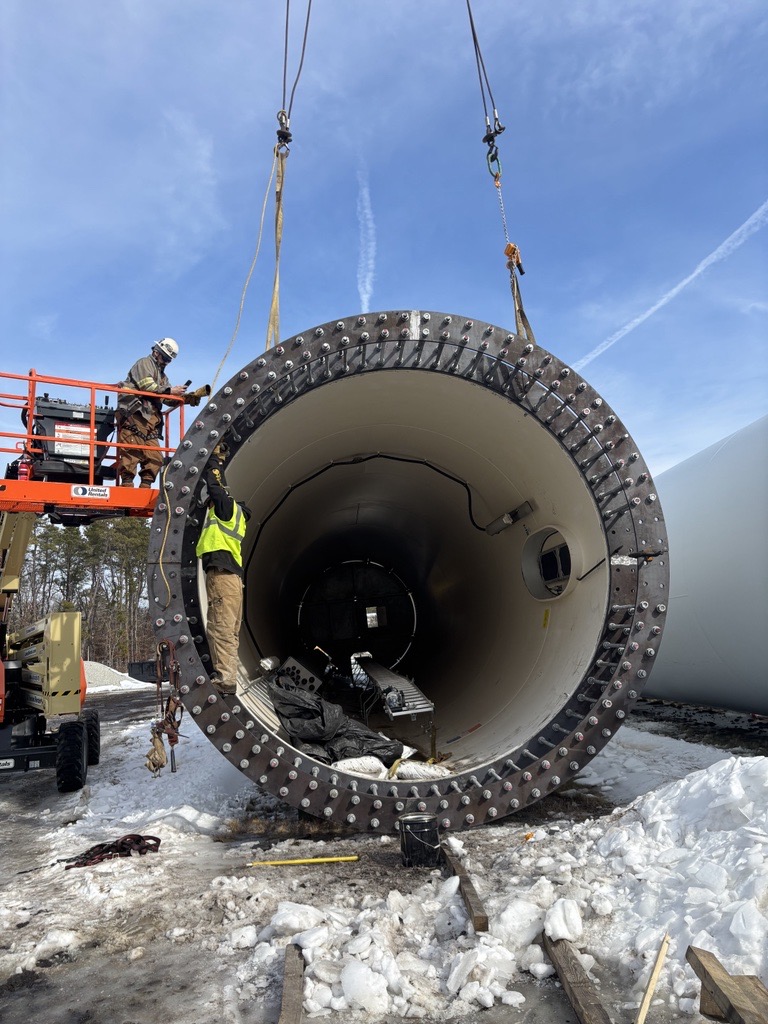
Field inspectors must verify that the fasteners delivered to the jobsite match the project engineering submittals. TC bolts typically conform to structural specifications such as ASTM F3125 Grade A325 or Grade A490. You must inspect the bolt heads and nut faces for clear manufacturer markings, grade designations, and lot numbers. For projects requiring specialized protection against corrosion, verify that mechanical galvanized or coated fasteners match the environmental exposure requirements of the build.
We maintain rigorous quality control across our entire LRKD Industries bolts inventory to ensure complete traceability. When reviewing site deliveries, cross-reference mill test reports with the physical stampings on the bolt heads to confirm grade compliance before installation begins.
Common Installation Errors to Watch For
Even experienced ironworkers occasionally encounter jobsite variables that lead to installation errors. Recognizing these common pitfalls allows inspectors to catch discrepancies early and maintain high construction standards.
One frequent error is failing to bring the joint to a proper snug-tight condition before applying the shear wrench. If gaps remain between steel plies when the shear wrench is engaged, clamping force is lost in closing the gap rather than tensioning the bolt. Another common issue is reusing bolts or tension control assemblies. TC bolts are engineered for single-use applications; once a spline has sheared or a bolt has been fully tensioned, it must never be reused in a structural connection.
Inspectors should also watch for tool clearance issues in tight structural connections. If a standard shear wrench cannot access a bolt due to tight spatial constraints, alternative tightening methods: such as the turn-of-nut method: must be approved and utilized correctly. Identifying these installation errors during routine walkthroughs prevents structural deficiencies and ensures long-term asset reliability.
Best Practices for On-Site Documentation
Rigorous documentation transforms a successful inspection into a defensible quality record. Clear, organized records protect contractors, engineers, and building owners by proving compliance with structural codes.
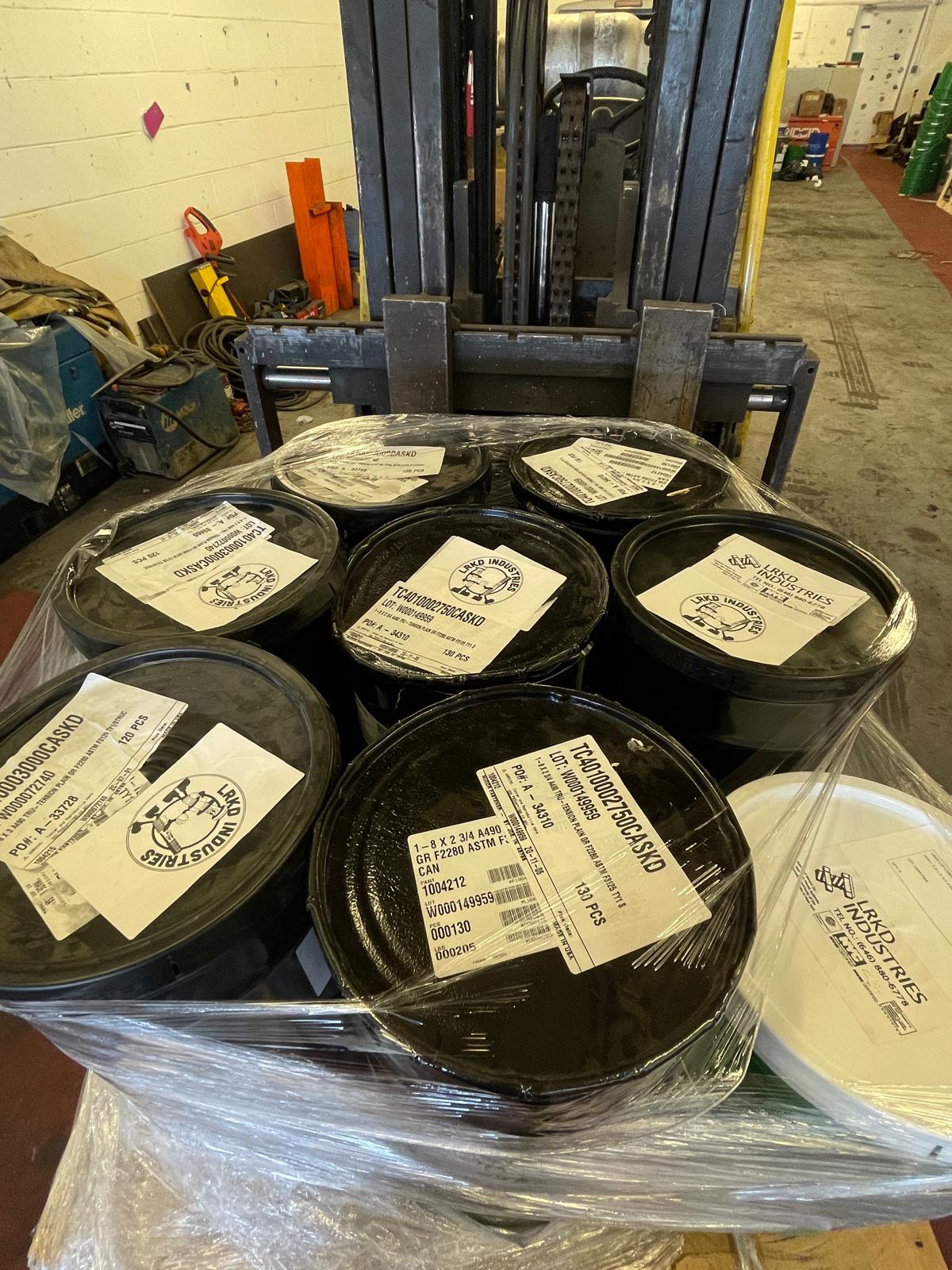
Maintain a centralized log of all pre-installation verification test results, noting the bolt lot numbers, calibrator readings, and tool serial numbers used on site. Daily inspection reports should record which connections were erected, the date of installation, and confirmation that 100% visual checks of the sheared splines were completed. Where owner specifications or local building codes require supplemental torque testing on a sample of fasteners, record those specific torque values alongside the visual inspection logs.
We recognize that efficiency and accuracy drive successful construction projects. By combining high-performance structural fasteners with disciplined field inspection and comprehensive documentation, your team delivers safe, enduring infrastructure.
Author: MEDIA_LRKD