

In the realm of structural engineering and heavy construction, the connection between steel and concrete is the literal foundation of project success. For project managers, engineers, and fabricators, selecting the correct interface: whether it be an embed plate or a base plate: is a decision that dictates the load-bearing capacity, installation timeline, and long-term durability of the structure. While both components serve the primary function of transferring loads from steel members to concrete foundations, their mechanical behavior and installation requirements are distinct.
At LRKD Industries, we recognize that navigating these technical nuances is essential for maintaining site safety and operational efficiency. Understanding when to specify a pre-pour embedment versus a post-installed base plate is not merely a matter of preference; it is a matter of structural necessity.
Defining the Foundations of Structural Integrity
To the uninitiated, a steel plate might seem like a universal solution. However, the distinction lies in the timing of installation and the method of anchorage.
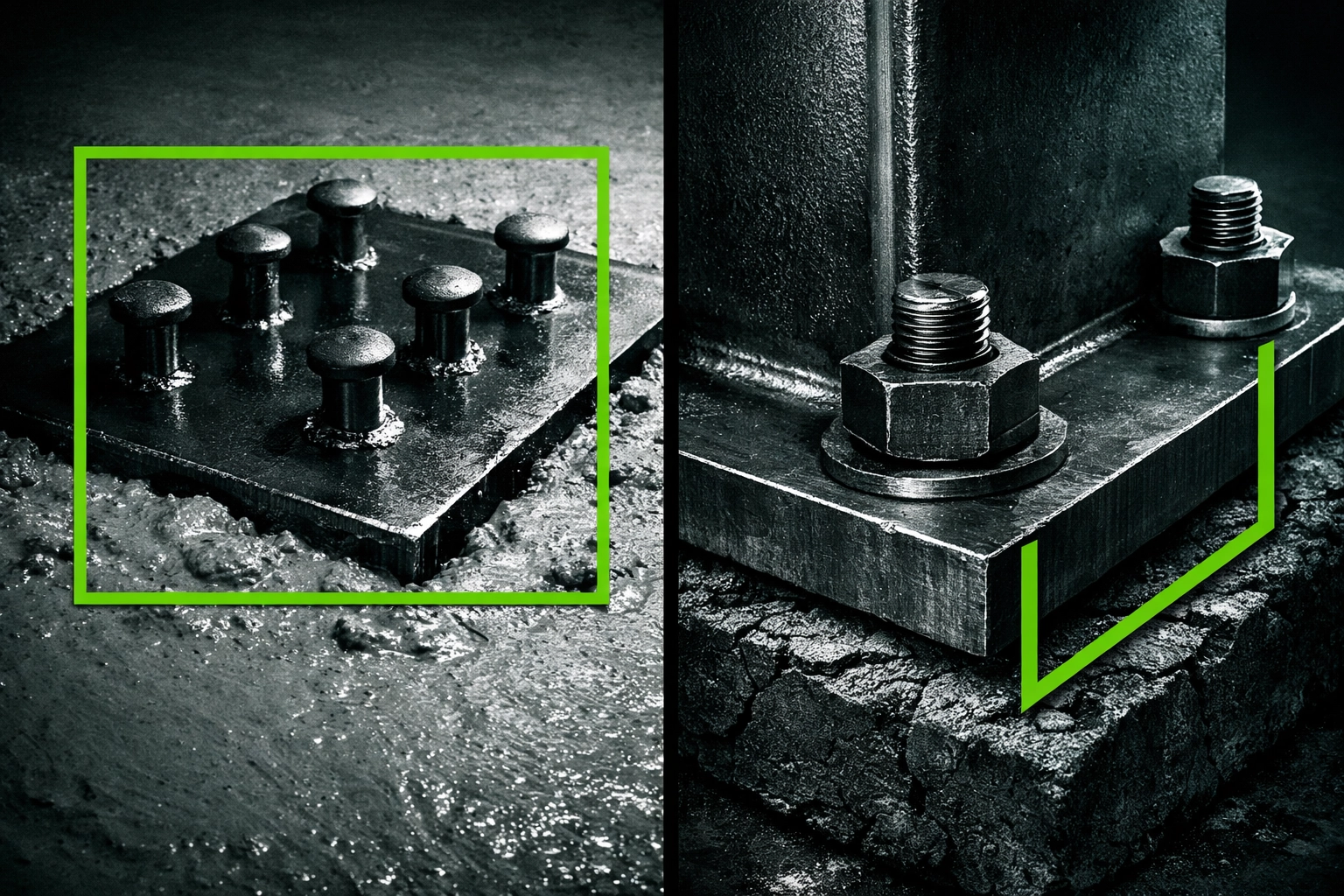
Base Plates are typically heavy steel plates welded to the bottom of columns or secondary steel members. They are designed to sit on top of a cured concrete surface, often resting on a layer of non-shrink grout to ensure uniform bearing. They serve as the transition point where concentrated vertical and lateral forces are distributed across a larger surface area to prevent the concrete from crushing under the pressure.
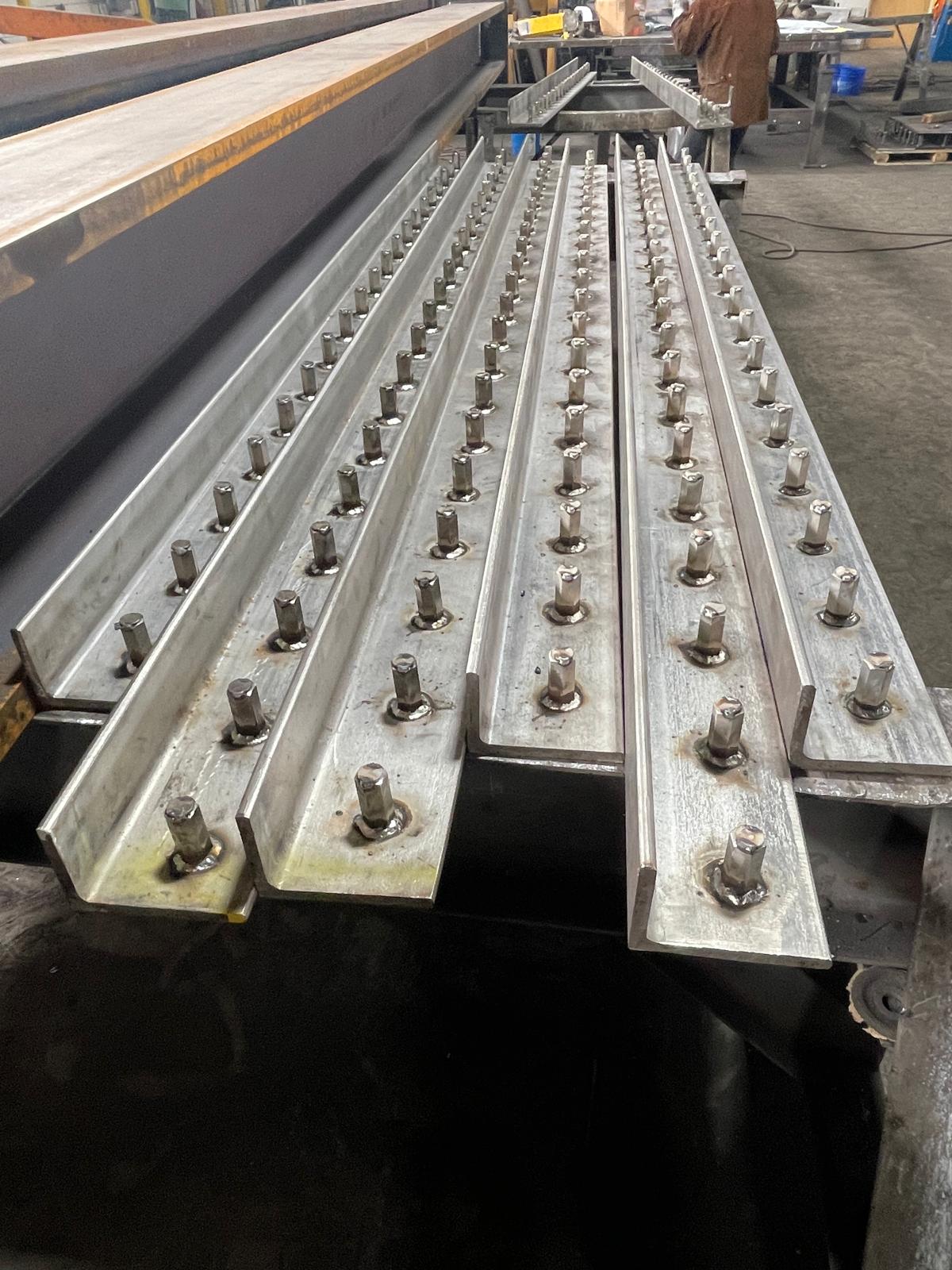
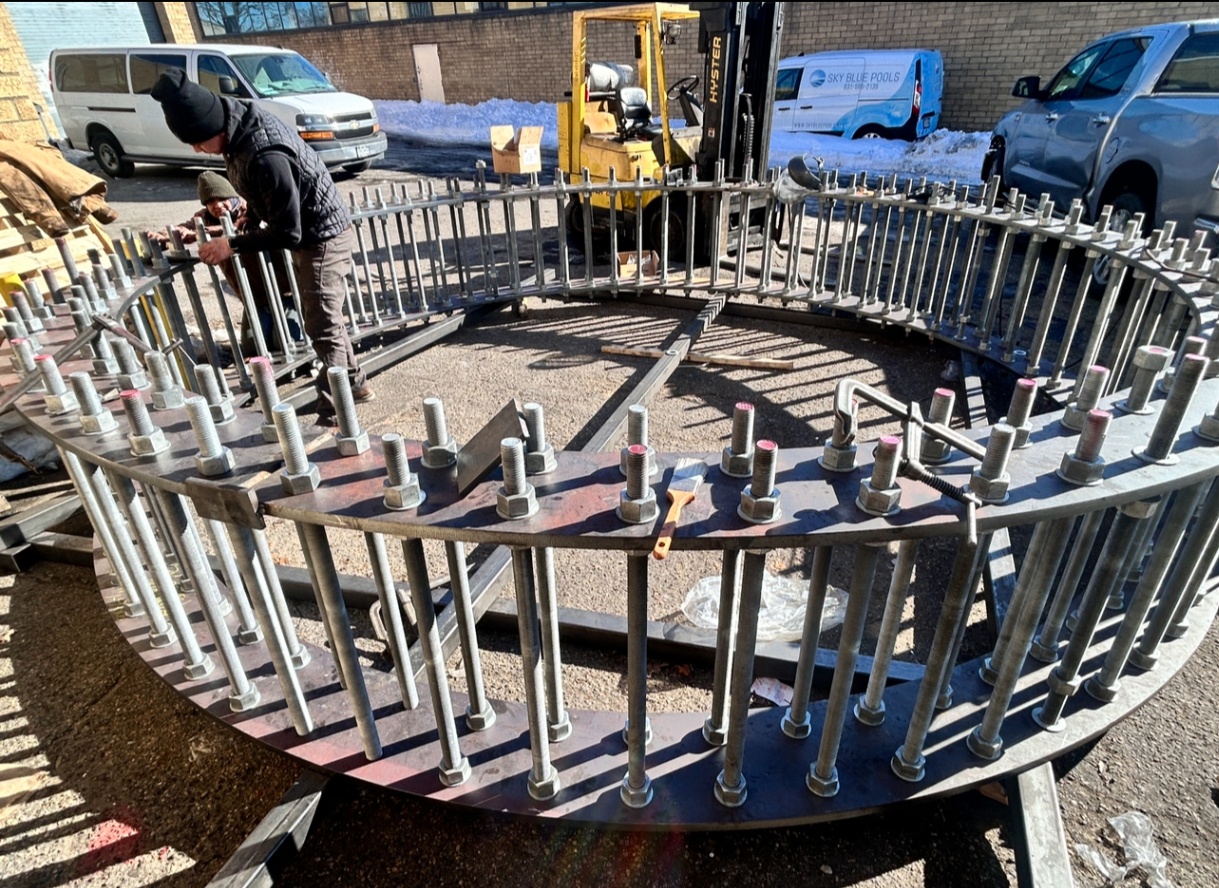
Embed Plates, by contrast, are "cast-in-place" components. These consist of a steel plate with headed studs, deformed bars, or anchor bolts welded to the back. These assemblies are secured within the formwork before the concrete is poured. Once the concrete cures, the plate becomes an integral, flush-mounted part of the concrete structure, ready to receive field-welded or bolted attachments.
Base Plates: The Versatile Interface for Post-Pour Precision
Base plates offer a level of flexibility that is often required on dynamic jobsites. Because the concrete is already cured when the base plate is positioned, installers have the opportunity to account for slight deviations in the foundation's dimensions.
The connection between the base plate and the foundation is typically achieved through anchor bolts that were either cast into the concrete or, more commonly for secondary supports, post-installed. When post-installing, wedge anchors are frequently the preferred choice. Concrete wedge anchors provide a reliable mechanical grip by expanding against the walls of a pre-drilled hole as the nut is tightened. This allows for high-strength fastening in solid concrete without the need for pre-planning during the pour.
We recognize that the rigidity of the base plate is as critical as the anchors themselves. A plate that is too thin will deform under load, causing "prying action" that can lead to premature anchor failure. Our team at LRKD Industries ensures that every plate is fabricated to the exact thickness required to distribute loads evenly, maintaining the integrity of the concrete wedge anchors and the foundation itself.
Embed Plates: Integrating Strength Before the Pour
When the project calls for high-capacity load transfer: such as in tilt-up wall construction, elevator shaft supports, or heavy industrial mezzanine connections: embed plates are the industry standard. Because the anchors (typically Nelson studs or hooked bolts) are fully encased in the concrete during the pour, the shear and tension capacities are significantly higher than most post-installed options.
The primary advantage of the embed plate is its ability to create a flush surface. This is vital for architectural finishes or for areas where equipment must be moved across the floor without obstruction. However, this strength comes with the requirement of absolute precision. Once the concrete is poured, the location of that embed plate is permanent. Any error in placement requires costly remediation, such as core drilling or the secondary installation of plates using epoxy or mechanical anchors.
The Critical Specification Gap: F1554 vs. A325/A490
One of the most common points of confusion in the field involves the specification of bolts. It is imperative to maintain a strict separation between structural bolts and anchor bolts.
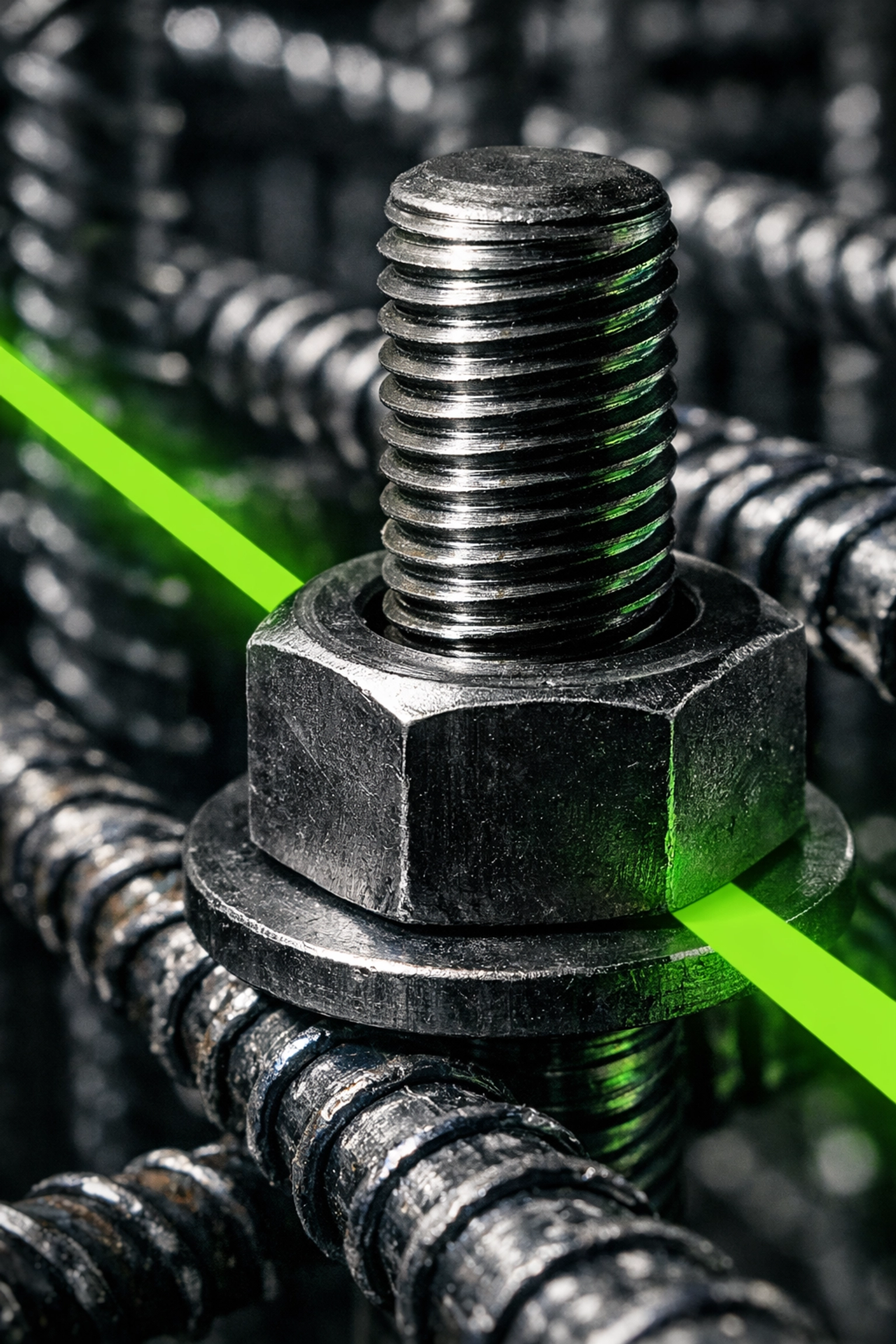
For foundation cages, anchors, and embed hardware, the industry standard is ASTM F1554. This specification covers straight, bent, headed, and headless anchor bolts in three strength grades:
- Grade 36: Low-carbon steel, ideal for general purpose anchoring.
- Grade 55: A high-strength, low-alloy steel that is often specified for its weldability and ductility.
- Grade 105: A heat-treated, high-strength alloy steel for the most demanding structural applications.
It is a common error to request ASTM A325 or ASTM A490 for foundation work. These are structural bolts intended for steel-to-steel connections. They have different thread lengths and physical properties that are not optimized for embedment in concrete. Using an A325 bolt where an F1554 anchor is required can lead to inspection failures and potential structural compromises. At LRKD Industries, we emphasize the use of F1554 for all foundation applications to ensure compliance with AISC and IBC standards.
Installation Dynamics and Technical Considerations
The choice between an embed plate and a base plate often boils down to the project schedule and the required load path.
- Load Path Efficiency: Embed plates are superior for transferring large shear loads because the studs are welded directly to the plate and embedded deep into the concrete. Base plates, while capable of handling significant loads, rely heavily on the shear capacity of the anchor bolts and the friction between the plate and the grout bed.
- Timing and Labor: Embed plates require more upfront labor during the formwork stage but allow for faster steel erection later, as the connection points are already "live." Base plates allow the concrete teams to work faster without the interruption of setting plates, but they require more field labor during the steel hanging phase to drill and set wedge anchors.
- Adjustability: Base plates win on adjustability. Using oversized holes and heavy washers allows for "float" to correct for anchor placement errors. Embed plates offer zero adjustability once the concrete has set, requiring the steel fabricator to match the "as-built" locations of the embeds perfectly.
Engineering for Longevity: Material Selection
Environmental exposure is the final piece of the puzzle. Both embed plates and base plates are subject to corrosion if not properly treated. In interior, climate-controlled environments, plain steel is often sufficient. However, for outdoor infrastructure, marine environments, or industrial facilities, galvanized or stainless steel options are necessary.
We provide a comprehensive range of finishes to ensure that your foundation support lasts as long as the building it holds up. Whether you need hot-dipped galvanized F1554 Grade 55 anchors for a bridge project or stainless steel concrete wedge anchors for a wastewater treatment plant, we provide materials that meet the rigorous demands of the modern jobsite.
Selecting the Right Solution for Your Project
Choosing between embed plates and base plates requires a holistic view of the project. If your priority is maximum load capacity and a flush finish, the embed plate is your best tool. If your project demands flexibility and the ability to adjust to field conditions, the base plate: paired with high-quality wedge anchors: is the superior choice.
At LRKD Industries, we provide more than just steel and fasteners; we provide the technical expertise to ensure you are using the right component for the right application. From custom-fabricated embed plates to a full inventory of ASTM F1554 anchor bolts and structural fasteners, we are committed to supporting the infrastructure that moves our world forward.
We recognize that every project has its own unique set of challenges. By understanding the critical differences between embed and base plates, and by strictly adhering to the correct bolt specifications like F1554, you ensure a foundation that is safe, compliant, and built to last.
Author: MEDIA_LRKD