

Structural engineers designing bridges, high-rise buildings, and heavy industrial facilities face rigorous demands for reliability, safety, and precision. Specifying high-strength structural fasteners is a critical responsibility that directly impacts the structural integrity of your project. When writing specifications for structural connections, you need clear, dependable parameters that align with current engineering standards. We recognize the complexities of modern steel construction, which is why we provide comprehensive technical support and high-quality steel fasteners tailored to your exact project requirements.
To streamline your specification process and ensure absolute compliance on your next bridge or high-rise project, we have outlined five essential steps for specifying a325 bolts and structural bolts under current industry standards.
1. Select the Correct Grade Under ASTM F3125
The foundation of any robust fastener specification begins with correct nomenclature and standard compliance. The landscape of high-strength structural bolting changed significantly when ASTM consolidated multiple standards into a single, unified specification.
ASTM A325 bolts are no longer manufactured under the legacy standalone standard. Instead, traditional heavy hex structural bolts are governed by ASTM F3125 / F3125M, where they are designated as Grade A325.
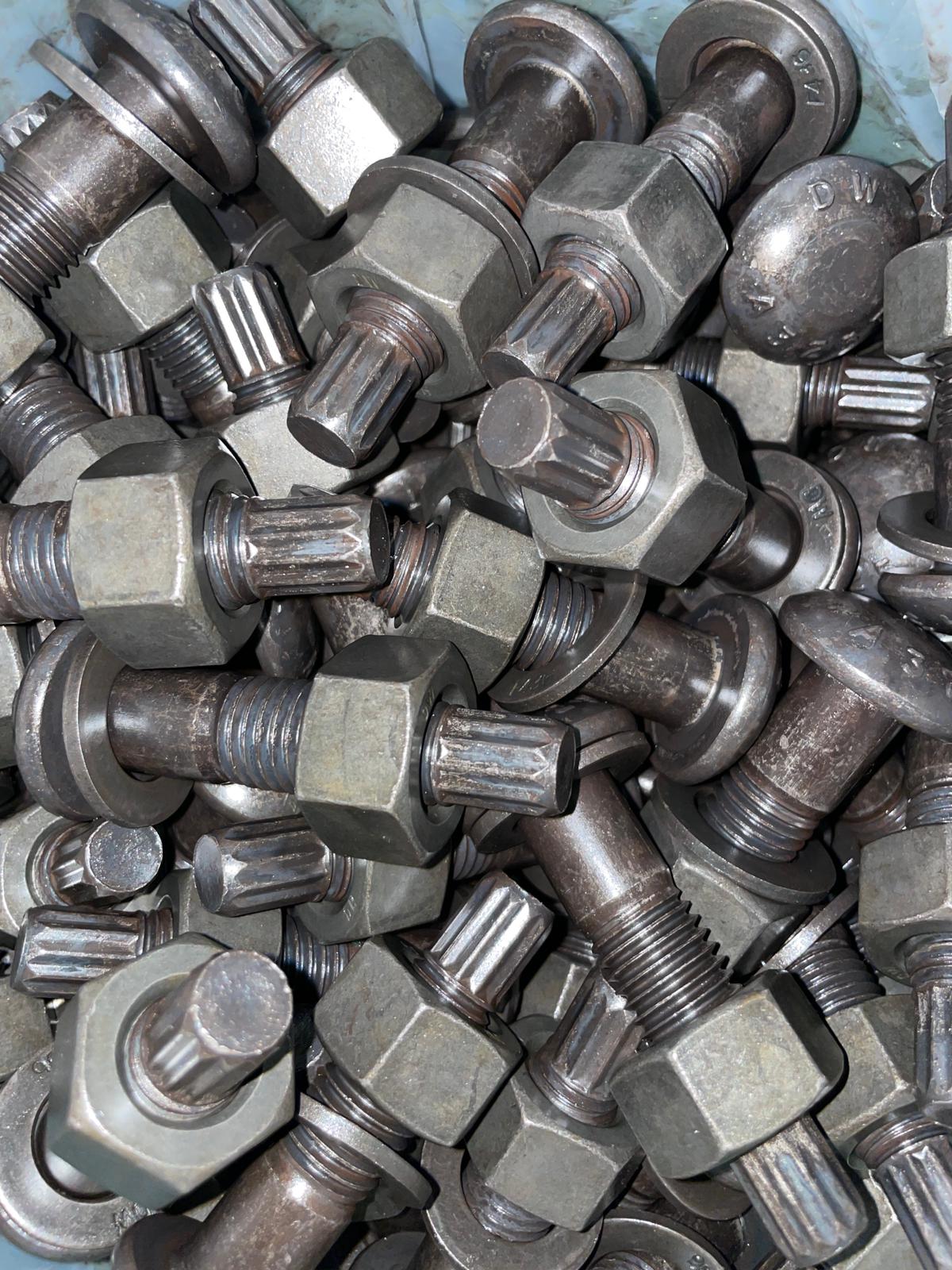
When drafting your project manual, your specifications must explicitly reference ASTM F3125 Grade A325 rather than obsolete standards. Under F3125, Grade A325 structural bolts maintain a 120 ksi minimum tensile strength across all allowable diameters from 1/2" to 1-1/2". This consistency eliminates older diameter-based strength drop-offs and simplifies design calculations for both shear and tension connections. For extreme load demands requiring 150 ksi tensile strength, you may evaluate a490 bolts, but Grade A325 remains the industry workhorse for standard heavy-hex and a325 tension control bolts.
We recognize the importance of precision in steel detailing, which is why we ensure all supplied fasteners strictly meet ASTM F3125 Grade A325 standards.
2. Choose the Appropriate Finish and Corrosion Protection
Environmental exposure dictates the selection of fastener finishes and material types. Selecting the correct finish prevents premature degradation and ensures long-term joint stability in aggressive atmospheric conditions.
ASTM F3125 categorizes structural bolts into specific types based on metallurgy and corrosion resistance:
- Type 1: Conventional carbon or low-alloy steel bolts designed for painted or galvanized structural steel frameworks in buildings and standard bridges.
- Type 3: Weathering steel bolts engineered to develop a protective patina, specified exclusively for use with weathering steel structures.
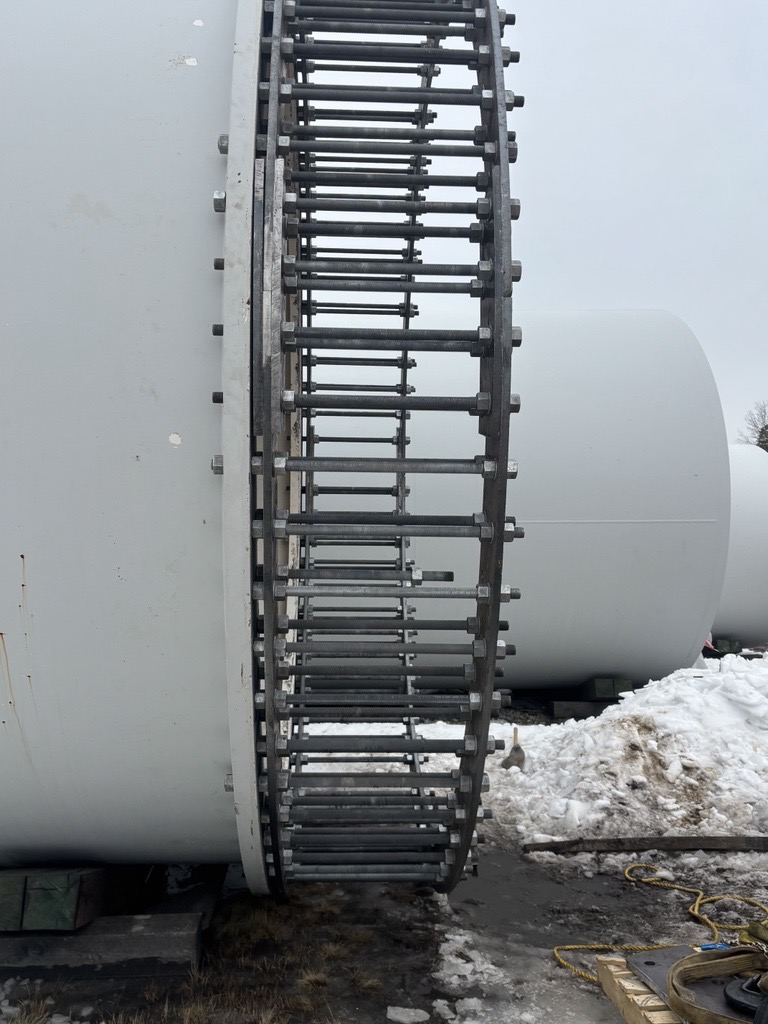
Beyond material types, coating selection is vital. For Type 1 bolts requiring enhanced corrosion resistance, hot-dip galvanizing per ASTM F2329 or mechanical galvanizing per ASTM B695 (such as Class 55) are standard choices. Note that while hot-dip and mechanical galvanizing are fully permitted for Grade A325 bolts: provided proper nut overtapping and rotational capacity testing are performed: they are strictly prohibited for Grade A490 bolts. For foundation connections and base plates, remember to pair your structural steel specs with appropriate f1554 anchor bolts rather than incorrectly specifying structural bolting grades for foundation embedment.
We provide expert guidance on finish selection to ensure complete compatibility between your structural fasteners and connected steel members.
3. Specify Proper Hardware Pairing and TC Assemblies
A high-strength structural bolt assembly is only as reliable as its companion components. Specifying the bolt alone is insufficient; you must explicitly define the required nuts and washers to guarantee system performance.
For Grade A325 heavy-hex structural bolts, project specifications must require heavy hex nuts conforming to ASTM A563 (such as Grade DH) and hardened structural steel washers conforming to ASTM F436. Proper nut overtapping is mandatory for hot-dip galvanized assemblies to accommodate the zinc coating thickness.
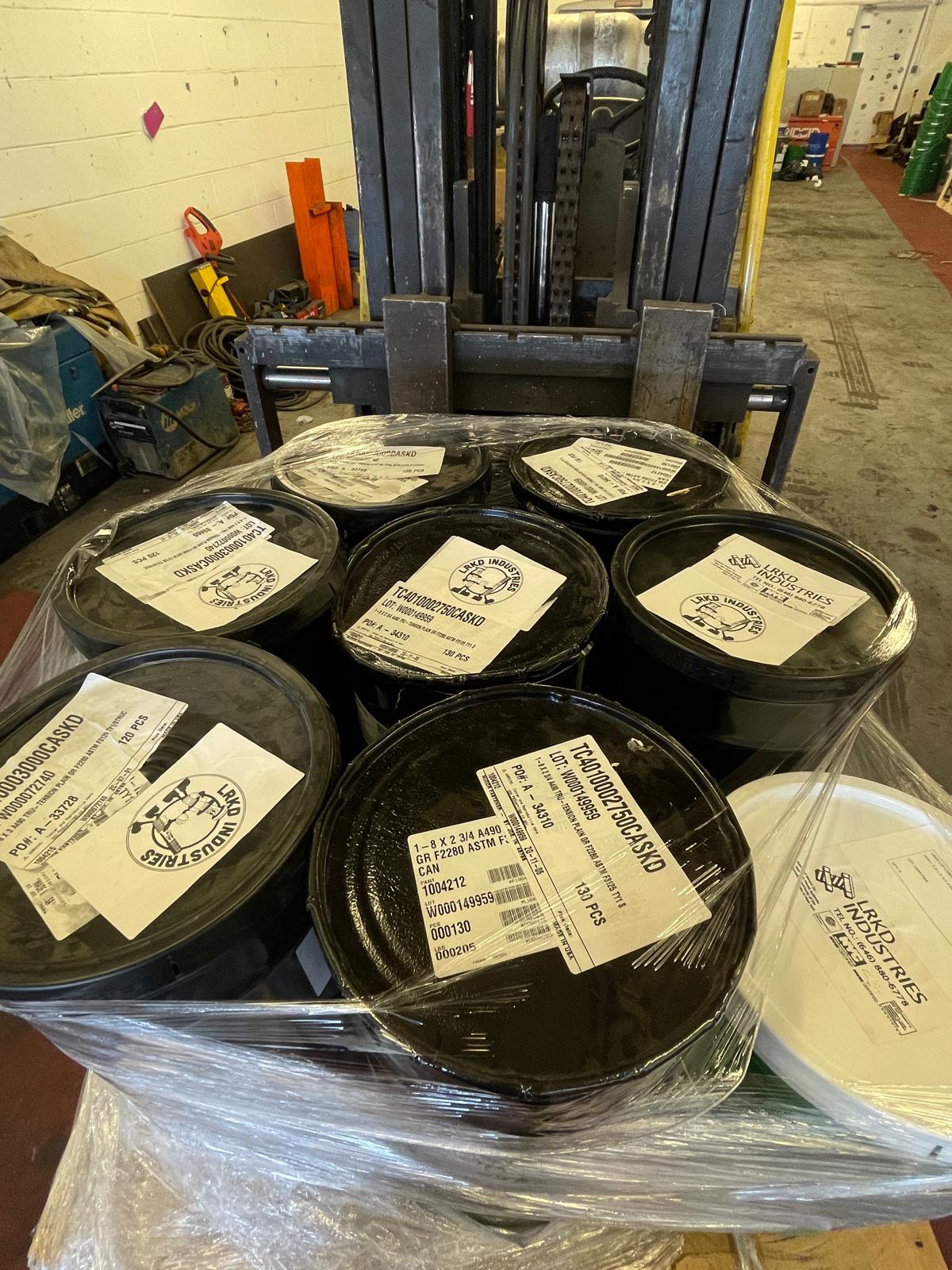
Alternatively, many engineers streamline field installation by specifying a325 tension control bolts, commonly known as tc bolts. These innovative assemblies feature a built-in spline that shears off when the correct pre-tension is achieved, eliminating installer guesswork and accelerating high-rise erection schedules.
We supply fully assembled, certified fastener packages that include bolts, nuts, and washers matched and lubricated for optimal installation performance.
4. Define Installation Method Considerations (Snug-Tight vs. Pretensioned vs. Slip-Critical)
Your specification must clearly communicate how the bolted joints will function under load. The RCSC (Research Council on Structural Connections) specification divides structural joints into three distinct categories based on behavior and installation requirements:
- Snug-Tightened Joints: Used where full pretension is not required, bringing the connected plies into firm contact using an impact wrench or full effort of a worker.
- Pretensioned Joints: Required in structures subject to dynamic loading, fatigue, or stress reversal, such as highway bridges and heavy industrial crane runways.
- Slip-Critical Joints: Essential where slip into bearing cannot be tolerated under service loads, requiring clean or specially coated faying surfaces combined with fully pretensioned bolts.
Clearly defining joint categories in your structural drawings ensures that field inspection teams apply the correct installation method: whether utilizing calibrated wrenches, turn-of-nut procedures, or direct tension indicators (DTIs) for heavy-hex fasteners, or specialized spline-drive guns for tc bolts.
We understand the operational pressures of active construction sites, which is why we maintain prompt service and reliable delivery schedules to keep your installation crews moving forward without interruption.
5. Enforce Documentation Requirements (MTRs and Compliance)
Quality assurance and traceability are non-negotiable on bridge and high-rise construction projects. Your technical specifications must establish strict documentation protocols before materials arrive on the jobsite.
Require complete Mill Test Reports (MTRs) that verify chemical composition and mechanical test results for every lot of ASTM F3125 Grade A325 bolts supplied. Furthermore, ensure your specification mandates mandatory rotational capacity testing (RoCap testing) per F3125 Annex A2 to verify lubricant performance and prevent thread stripping during high-torque installation.
For public infrastructure, municipal, and state-funded bridge projects, compliance with domestic sourcing statutes: such as Buy America or Buy American Act provisions: must be explicitly stated in the procurement documents. We provide fully traceable documentation, certified MTRs, and domestic manufacturing options to satisfy stringent agency audits and quality control standards.
Partner with LRKD Industries for Your Structural Supply Needs
Specifying high-strength fasteners requires an experienced partner who understands the rigorous demands of bridge engineering and high-rise construction. We recognize the critical nature of your structural projects, which is why we combine prompt customer support, extensive inventory, and rigorous quality assurance to deliver dependable fastening solutions.
Whether you are supplying commercial buildings in New York or major bridge infrastructure across the region, we provide the technical expertise and reliable steel supply you need. Contact our team today to review your upcoming specifications or request a project quotation.
Author: MEDIA_LRKD